

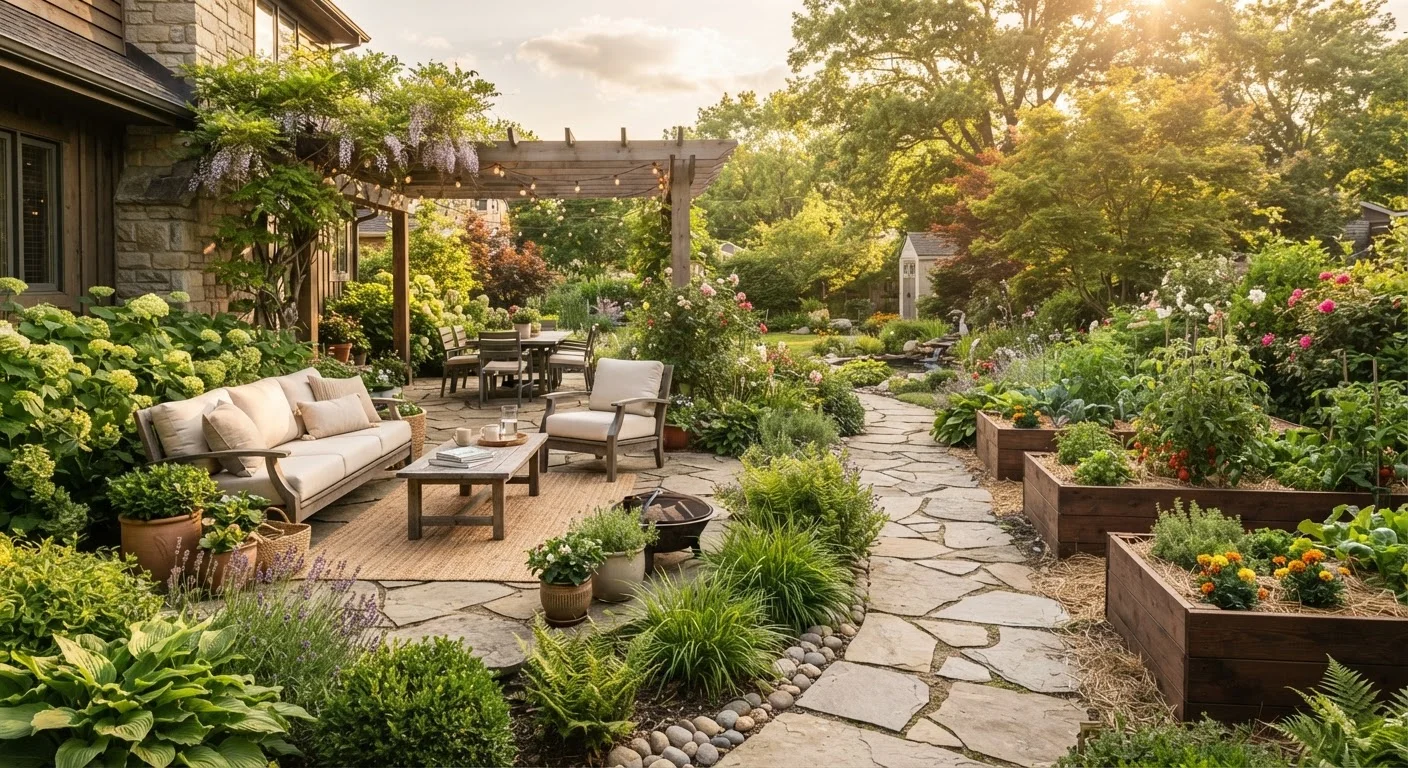
Our Verdict
Planning an outdoor living space rewards those who think through function and maintenance before committing to aesthetics. The trade-offs are real - upfront investment, ongoing care, and occasional permit headaches - but a well-conceived space adds genuine daily value to your home life. Go in with clear intentions and realistic expectations, and the result is almost always worth the effort.
Homeowners who are ready to invest time in planning and are prepared for ongoing seasonal maintenance rather than a purely set-it-and-forget-it result.
Why Planning Comes Before Digging
The most common outdoor living mistake isn't a design flaw - it's skipping the planning phase entirely. Homeowners often jump from inspiration to installation, only to discover the pergola blocks a window, the patio drains toward the foundation, or the lush garden border needs watering every day during summer heat.
Before you move a single shovelful of dirt, spend time observing your yard across different times of day and different weather conditions. Note where water pools after rain, where afternoon shade falls, and which corners of the yard your household naturally gravitates toward. These real-world patterns should drive layout decisions more than any magazine photo ever could.
If you're hoping to eventually add edible plants, our guide to starting a vegetable garden from scratch can help you identify the right sun exposure and soil conditions before you finalize your layout.
The Real Advantages of a Dedicated Outdoor Space
When thoughtfully designed, an outdoor living area genuinely expands your usable home footprint. It creates a natural transition between indoor and outdoor life, encouraging more time outside - which most households benefit from.
Expands functional living space without a full addition
A well-designed patio or deck gives you a usable room outdoors, extending where your household eats, relaxes, and entertains - often at a fraction of the cost of interior square footage.
Increases structured order in the garden
Defined paths, edged beds, and designated zones make routine gardening tasks more efficient, reducing the sprawl and guesswork that causes beds to be neglected over time.
Adds long-term property value
Outdoor improvements are consistently cited by real estate professionals as adding buyer appeal, though actual return on investment varies by market, project type, and quality of execution.
Encourages regular time outdoors
Comfortable, accessible outdoor spaces tend to get used more often - a practical benefit for households that want to spend more time outside without planning a trip.
Supports companion planting and productive gardening
Organized garden layouts create ideal conditions for companion planting strategies that improve yields and reduce pest pressure - explore the companion planting guide for practical pairings.
A cohesive design also makes seasonal gardening more manageable. Defined beds, clear paths, and grouped planting zones reduce the guesswork of upkeep. If your yard gets limited sun, pairing your layout with strategies from our shade gardening guide can help you fill those tricky corners productively.
36%
Homeowners who added outdoor living space post-pandemic
According to the American Institute of Architects, outdoor living areas saw a significant surge in demand as homeowners sought to maximize usable space close to home.
60-80%
Estimated cost recoup on wood deck additions
Remodeling Magazine's Cost vs. Value reports have historically estimated wood deck additions recoup roughly 60-80% of their cost at resale, though this varies by region and market conditions.
The Trade-Offs You Should Know Before You Start
No outdoor project is without its complications. The gap between what a space looks like on day one and what it looks like after two winters is often significant - and that gap is largely a maintenance story.
Upfront costs can be substantial
Materials, grading, drainage, and labor add up quickly. Even a modest patio project can cost more than initial estimates once site preparation is factored in.
Ongoing maintenance is often underestimated
Pavers shift, wood needs sealing, plants outgrow their spaces, and drainage issues recur. A beautiful outdoor space requires sustained seasonal attention to remain that way.
Design choices are difficult to reverse
Hardscape installations - stone paths, retaining walls, concrete pads - are not easily undone. A layout that doesn't work as planned may require significant expense and effort to correct.
Permits and codes add complexity
Structures like decks, pergolas, and outbuildings often require local permits and inspections, adding time and sometimes cost to what feels like a straightforward project.
Plant selection mistakes are common and costly
Choosing plants based on how they look at the nursery - rather than their mature size, water needs, and light requirements - leads to overcrowded beds, stressed plants, and recurring replacement costs.
Hardscape materials - pavers, concrete, natural stone - each carry different durability and upkeep profiles. Concrete is affordable but can crack. Natural stone holds up but is expensive and sometimes uneven underfoot. Composite decking resists rot but fades over time and varies widely in quality. There's no perfect material; there are only trade-offs that suit your situation better or worse.
Composting Fits Naturally Into Outdoor Planning
If you're designing planting beds as part of your outdoor space, building a composting area into your layout from the start makes long-term soil health far easier to maintain. A dedicated, out-of-the-way corner for a compost bin keeps the process tidy without being an eyesore. See our guide to backyard composting pitfalls if you're new to the practice.
Balancing Aesthetics with Long-Term Function
Visual appeal and practical function don't have to compete - but they do need to be intentionally reconciled. A beautifully planted border that requires daily deadheading may look stunning in June and exhausting by August. A minimalist gravel garden looks clean and modern but may feel uninviting if there's nowhere comfortable to sit.
One useful exercise: sketch out a typical Saturday afternoon in your finished space. Who's there? What are they doing? Does the layout support it? This kind of functional thinking often reveals gaps - not enough shade, too few surfaces for food and drinks, plants placed where children will trample them.
For yards in dry climates or facing water restrictions, drought-tolerant landscaping strategies can keep your space beautiful without constant irrigation. And if containers are part of your plan, the container gardening seasonal checklist will help you stay on top of what those pots need across the year.
Permits, Codes, and When to Call a Professional
Many outdoor projects that feel like simple DIY work - building a deck, adding a pergola, installing a retaining wall - may require permits depending on your municipality, the structure's size, and how it connects to your home. Working without required permits can complicate home sales and, in some cases, result in required removal of the structure.
Before breaking ground on anything structural, check with your local building or zoning department. Requirements vary significantly by location, and what's permitted in one county may require a licensed contractor or inspection in the next. When in doubt, a brief consultation with a landscape professional or contractor is a worthwhile investment before you're committed to a plan.
For broader home improvement context, the Home Improvement hub covers renovation and upgrade guidance that pairs well with outdoor project planning.
The content on this site is provided for informational purposes only and should not be considered a substitute for professional advice. While we strive to provide accurate and up-to-date information, we make no guarantees regarding its completeness or accuracy. Always consult a qualified professional for advice specific to your circumstances before making any decisions.