

Start here
What 'Plant-Based' Actually Means
Next
Key Nutrients to Keep on Your Radar
Then
How to Start Without Overhauling Everything
Apply it
Eating Plant-Based in the Real World
What 'Plant-Based' Actually Means
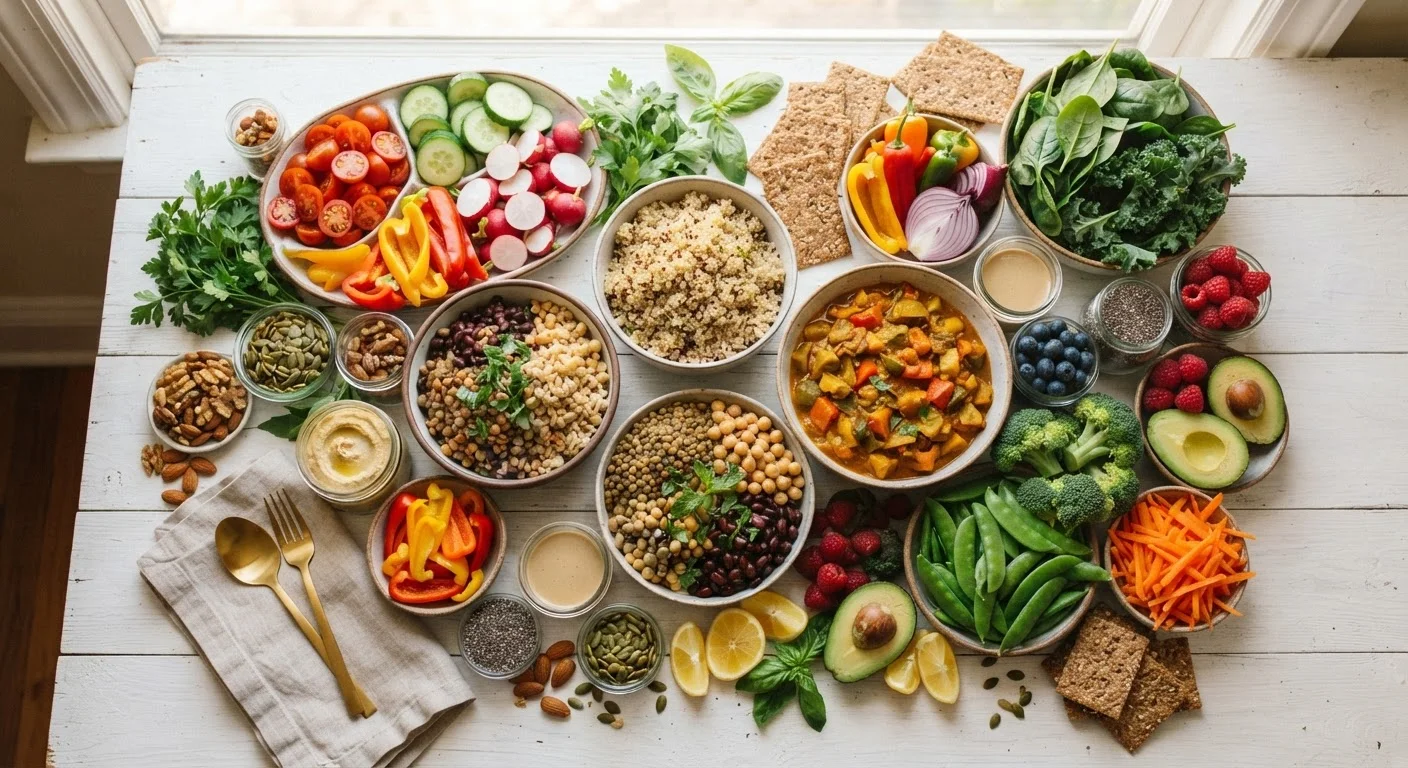
The phrase plant-based diet gets used in many ways, which can make it confusing at the start. In its broadest sense, it simply means a way of eating that centers whole plant foods - vegetables, fruits, legumes, whole grains, nuts, and seeds - while minimizing or reducing animal-derived foods. It is not a rigid, all-or-nothing label.
Some people interpret plant-based as fully vegan: no meat, dairy, eggs, or animal byproducts at all. Others use it to describe a flexitarian or mostly plant-forward pattern where animal products still appear occasionally. Research on plant-based dietary patterns covers this whole spectrum, so understanding where you want to land on it is a useful first step.
What most definitions share is an emphasis on whole foods rather than processed ones. A bag of plant-based chips is technically plant-derived, but it's not what nutrition researchers are referring to when they discuss the benefits of plant-based diets. The evidence tends to favor minimally processed plant foods as the core of the pattern.
Plant-based diet
An eating pattern centered on whole foods derived from plants - vegetables, fruits, legumes, grains, nuts, and seeds - with animal products reduced or removed depending on the individual approach.
Flexitarian
A mostly plant-forward diet that still includes meat or other animal products occasionally, rather than eliminating them entirely.
Non-heme iron
The form of iron found in plant foods. The body absorbs it less efficiently than heme iron from animal sources, but intake and absorption can be optimized through food pairing.
Fortified food
A food that has had vitamins or minerals added to it during processing - for example, plant-based milks often have calcium and vitamin D added.
ALA (alpha-linolenic acid)
A plant-derived omega-3 fatty acid found in foods like flaxseed and walnuts. The body can convert it to EPA and DHA, but only in limited amounts.
Key Nutrients to Keep on Your Radar
A well-planned plant-based diet can meet most nutritional needs, but a handful of nutrients deserve deliberate attention - not because plant-based eating is inherently deficient, but because the richest sources of these nutrients happen to be animal foods.
- Vitamin B12: Found almost exclusively in animal products. Those following a fully plant-based diet should discuss supplementation or reliance on fortified foods with a healthcare provider - this is not optional nutrition advice but an established clinical consideration.
- Iron: Plant foods contain non-heme iron, which the body absorbs less efficiently than heme iron from meat. Pairing iron-rich plants (lentils, spinach, tofu) with a vitamin C source at meals supports better absorption.
- Omega-3 fatty acids: EPA and DHA, found in fatty fish, are harder to obtain on plant-based diets. ALA from flaxseed, chia, and walnuts is the plant-based alternative, though conversion to EPA and DHA in the body is limited. Algae-based omega-3 supplements are an option worth discussing with a dietitian.
- Calcium and vitamin D: Dairy is a major calcium source for many Americans. Leafy greens, fortified plant milks, and tofu set with calcium sulfate can contribute meaningfully. Vitamin D, important for calcium absorption, is limited in most foods regardless of diet style.
- Zinc and iodine: Both warrant attention, particularly for those avoiding seafood and dairy. Varied whole food choices and, where appropriate, a general multivitamin can help fill gaps.
This is general nutrition information, not personal medical guidance. A registered dietitian can assess your specific situation and recommend adjustments tailored to your health history and goals.
Pair Iron-Rich Plants with Vitamin C
Non-heme iron from plant foods absorbs better in the presence of vitamin C. Try adding sliced bell pepper to a lentil dish, squeezing lemon over leafy greens, or eating strawberries alongside iron-rich oatmeal. This simple pairing habit can meaningfully improve iron uptake over time.
How to Start Without Overhauling Everything
Dramatic dietary shifts rarely stick. A more sustainable approach for most beginners is to add before subtracting - increasing plant foods gradually rather than eliminating everything at once.
Practical starting points include:
- Pick one or two plant-based meals per week to establish as habits before expanding. Monday dinners built around beans and grains are a low-friction place to begin.
- Stock a few versatile staples - canned or dried lentils, chickpeas, black beans, whole grain pasta, frozen vegetables, and nut butters are inexpensive and endlessly flexible. See our guide to eating well on a budget for strategies that apply directly to plant-forward shopping.
- Rethink your plate structure. Rather than centering a meal on meat with plants as sides, flip that proportion. Our balanced plate planning framework offers a useful structure for doing this without rigid rules.
- Experiment with protein swaps in familiar recipes - lentils in place of ground beef in tacos, chickpeas in curries, or white beans stirred into pasta dishes.
There's no single correct pace. Moving slowly and building genuine food preferences is more valuable than a two-week experiment that doesn't last.
Eating Plant-Based in the Real World
Navigating restaurants, social meals, and busy weeknights is where many beginners feel most uncertain. The good news is that practical strategies exist for all of these contexts.
When eating out, most menus have more plant-friendly options than they appear to at first glance. Our article on reading a restaurant menu with nutrition in mind covers how to approach this without stress or obsession. At social gatherings, it's reasonable to eat what's available and make plant-forward choices when you can, rather than treating every meal as a test.
For home cooking, growing some of your own produce can reinforce new eating habits and reduce costs - starting a vegetable garden from scratch is a practical walkthrough for anyone with outdoor space, even a small one.
Packaged 'Plant-Based' Products Vary Widely
The plant-based food market includes many highly processed meat and dairy alternatives. While these products can be a useful bridge food when transitioning, they vary considerably in sodium, saturated fat, and overall nutritional profile. Reading ingredient lists is worthwhile, and these products work best as occasional conveniences rather than everyday staples.
Finally, remember that dietary change touches more than just physical health. Shifts in how and what you eat can intersect with mood, social connection, and overall wellbeing. If you find the process stressful or notice it affecting your relationship with food, that's worth taking seriously. Our introduction to mental wellbeing from the ground up may offer useful context.
This article is for general informational purposes only and does not constitute medical or dietary advice. Speak with a qualified healthcare professional or registered dietitian before making significant changes to your diet, especially if you have an existing health condition.
Frequently Asked Questions
Not necessarily. Vegan diets exclude all animal products entirely, while plant-based eating is a broader term that simply emphasizes whole plant foods. Many people eat plant-based while still including some meat, dairy, or eggs - the key is that plants make up the majority of what's on the plate.
Yes, though it requires some planning. Legumes, tofu, tempeh, edamame, whole grains, nuts, and seeds all contribute protein. Eating a variety of these foods throughout the day helps ensure you're covering the full range of essential amino acids your body needs.
Vitamin B12 is the most consistently flagged concern, since it's found almost exclusively in animal-derived foods. People following a fully plant-based diet are generally advised to supplement or consume fortified foods. Talk with a healthcare provider or dietitian about what makes sense for your situation.
It doesn't have to be. Staples like dried beans, lentils, oats, and frozen vegetables are among the most affordable foods in any grocery store. Costs tend to rise when relying heavily on packaged meat alternatives or specialty products, which aren't nutritionally required.
Individual experiences vary, and no specific outcomes can be promised. Some people report changes in digestion or energy within weeks of increasing fiber intake, but this is highly personal and depends on overall diet quality, health status, and other lifestyle factors.
Most people don't need detailed tracking to eat well on a plant-based diet. A practical approach - building meals around vegetables, legumes, and whole grains, and being mindful of a few key nutrients - is sufficient for many beginners. Tracking tools can help if you prefer more structure, but they aren't a requirement.
The content on this site is provided for informational purposes only and should not be considered a substitute for professional advice. While we strive to provide accurate and up-to-date information, we make no guarantees regarding its completeness or accuracy. Always consult a qualified professional for advice specific to your circumstances before making any decisions.