

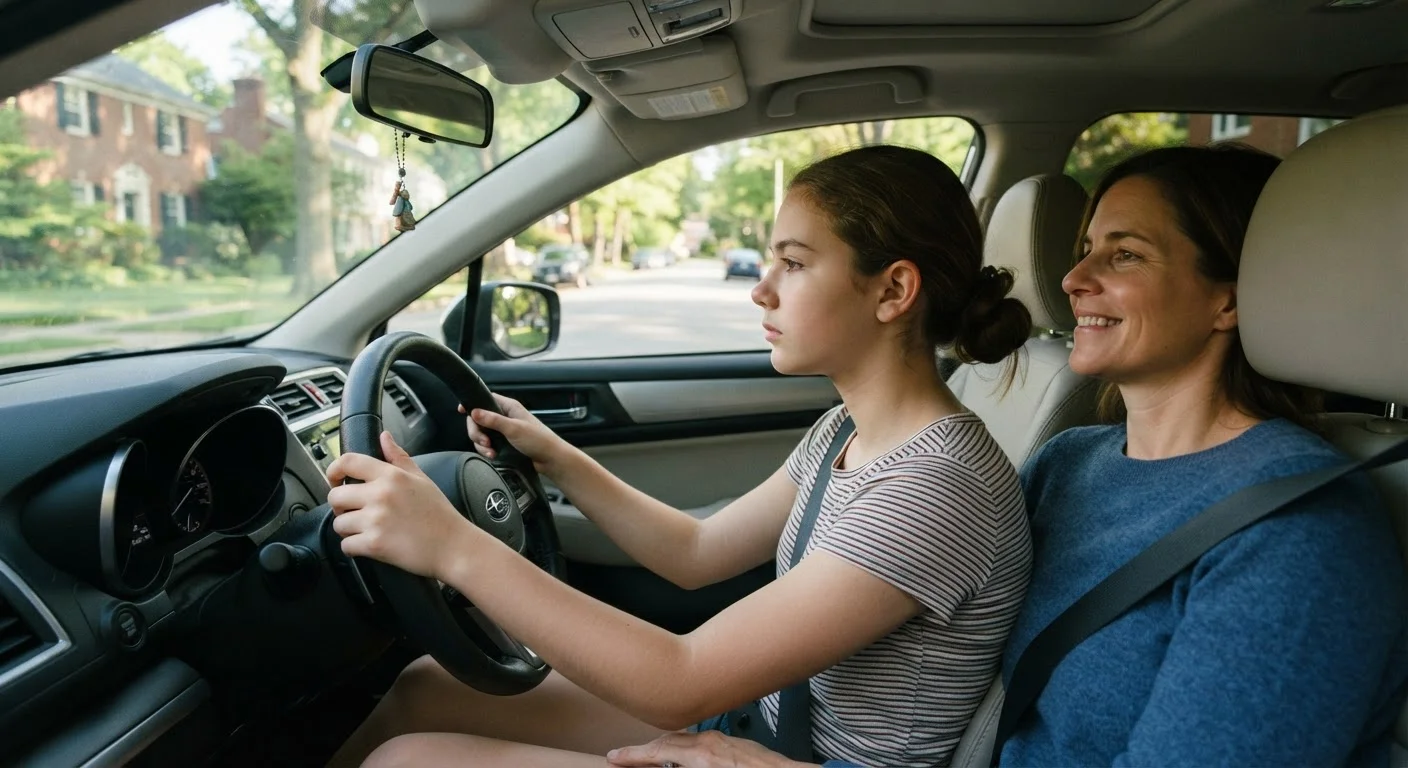
Why Teen Drivers Face Disproportionate Crash Risk
Motor vehicle crashes are a leading cause of death among teenagers in the United States. New drivers lack the hazard perception skills that come from thousands of hours of experience, and adolescent brain development affects risk assessment and impulse control. Combine that with high-risk scenarios - late nights, peer passengers, unfamiliar roads - and the first months of independent driving become a statistically dangerous window.
Graduated Driver Licensing programs were developed specifically to address this gap. Rather than requiring a single test and handing over full driving privileges, GDL systems expose new drivers to progressively demanding conditions, building competence step by step. The underlying logic: experience matters more than any single exam, and restrictions should mirror the skill level of the driver.
“Graduated licensing is one of the most effective tools we have for reducing teen driver fatalities. The evidence is clear that structured exposure to driving - rather than immediate full privileges - saves lives.”
— Anne McCartt, Senior Vice President for Research, Insurance Institute for Highway Safety (IIHS)
Stage One: The Learner's Permit
The first stage begins when a teenager - typically between 15 and 16 years old, depending on the state - passes a written knowledge test and receives a learner's permit. At this stage, the driver may only operate a vehicle with a licensed adult supervisor in the front passenger seat. No unsupervised driving is permitted.
Most states require a minimum holding period (often six months) and a set number of supervised practice hours before the teen can advance. Many states mandate that a portion of those hours occur during nighttime conditions. The supervised structure serves a clear purpose: it ensures new drivers encounter a wide range of real-world driving situations with an experienced adult who can intervene.
Make Practice Sessions Count
Don't just log hours in familiar neighborhoods. Deliberately vary supervised sessions to include highway merging, night driving, rain conditions, and busy intersections. The broader the experience during the permit phase, the better prepared the teen will be when driving solo. Structure beats repetition.
Stage Two: The Provisional or Intermediate License
After meeting learner's permit requirements, a teen can typically take a behind-the-wheel road test to qualify for a provisional license. This stage allows unsupervised driving - but with defined restrictions that vary by state. The two most common limitations are:
- Nighttime driving restrictions: Unsupervised driving is typically prohibited during late-night hours, often between midnight and 5 a.m., though some states set earlier curfews.
- Passenger restrictions: Many states limit the number of non-family passengers a teen can carry. Peer passengers are a documented distraction risk, and research shows crash rates increase with each additional teen passenger in the vehicle.
Some states also prohibit cell phone use entirely during this stage, or restrict highway driving. Violations during the provisional phase can extend the holding period or trigger penalties that reset the driver's progress.
Understanding risks specific to this stage - like the dangers described in our guide on night driving hazards - can help both teens and parents prepare.
~3x
Higher crash rate for 16-year-olds vs. adults
The Insurance Institute for Highway Safety reports that per mile driven, 16-year-olds crash at roughly three times the rate of drivers aged 20 and older.
50+
Supervised hours typically required
Most U.S. states require between 40 and 65 supervised driving hours during the learner's permit phase before a teen can advance to a provisional license.
All 50
States with a GDL system in place
As of the time of publication, every U.S. state and the District of Columbia operates some version of a graduated driver licensing program, though specific rules vary.
Stage Three: Full Licensure and What It Doesn't Mean
Once a driver meets all intermediate-stage requirements - typically including a minimum holding period of at least six months and no serious violations - they can apply for a full, unrestricted license. In most states, this occurs at age 17 or 18.
Full licensure removes GDL-specific restrictions, but it doesn't automatically produce a low-risk driver. Studies show that crash rates remain elevated for the first few years of fully licensed driving. This makes the habits developed during GDL phases genuinely consequential. Skills like maintaining safe following distances - explored in our article on tailgating risks - and the broader mindset described in defensive driving principles are as relevant for newly licensed adults as they are during the GDL stages.
The Role Parents and Guardians Play
GDL programs formally position parents as co-supervisors during the learner's permit stage, but parental involvement matters throughout all three phases. Parents who actively monitor compliance with provisional restrictions - and who model attentive driving behavior themselves - extend the protective effect of the GDL system into everyday practice.
Some states require parental signatures on permit applications, and parents can be held partially responsible for violations in certain jurisdictions. Beyond legal responsibility, a parent's consistent engagement during practice sessions directly shapes how a teen handles hazards, distractions, and unfamiliar conditions.
For teens approaching the point of buying their first vehicle, our first-time buyer's guide covers what to consider before making that decision.
GDL Rules Vary Significantly by State
While all states have GDL programs, the specific age thresholds, holding periods, curfew times, and passenger limits differ considerably. Always verify the exact rules for your state through your state's Department of Motor Vehicles (DMV) website. Federal guidelines provide a framework, but states set and enforce their own requirements.
Frequently Asked Questions
Most GDL programs include a learner's permit phase (supervised driving only), an intermediate or provisional license phase (some unsupervised driving with restrictions), and a full license phase with no special limitations. Each stage has specific requirements that must be met before advancing.
Crash rates for teen drivers spike significantly during late-night hours, partly due to reduced visibility and partly because fatigue and peer distractions are more common. Restricting nighttime driving removes one of the highest-risk scenarios until the driver has more foundational experience.
Yes. Traffic violations, at-fault crashes, or other infractions during a GDL phase can result in extended restrictions, suspension, or a return to an earlier stage. Consequences vary by state law.
Most states require between 40 and 65 hours of supervised driving during the learner's permit phase, with a portion often mandated at night. Requirements differ by state, so checking your state's DMV guidelines is essential.
In most states, all GDL restrictions are lifted by age 18, assuming no serious violations. Some states lift restrictions earlier if requirements are met; others maintain certain rules until the driver turns 18 regardless of how long they've held a license.
Research from organizations such as the Insurance Institute for Highway Safety (IIHS) has consistently found that comprehensive GDL programs are associated with meaningful reductions in crash-related injuries and fatalities among teen drivers.
The content on this site is provided for informational purposes only and should not be considered a substitute for professional advice. While we strive to provide accurate and up-to-date information, we make no guarantees regarding its completeness or accuracy. Always consult a qualified professional for advice specific to your circumstances before making any decisions.