

Start here
The Documentation Layer Most Beginners Overlook
Next
Money Realities on the Ground
Then
Building a Safety Routine Without Being Paranoid
When you're ready
The Loneliness Curve (and How to Work With It)
Final prep
What to Do When Things Go Sideways
The Documentation Layer Most Beginners Overlook
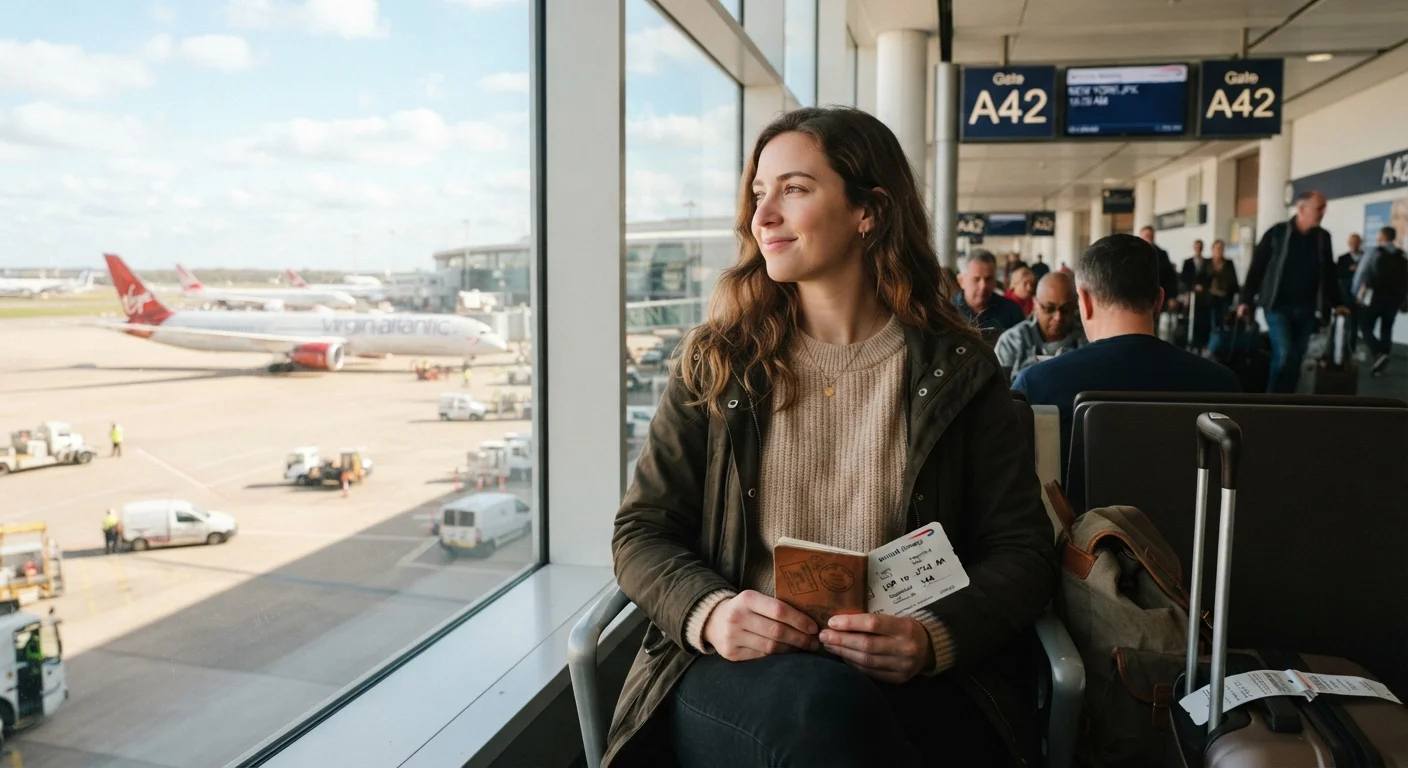
Your passport is obvious. What catches first-timers off guard is everything surrounding it. Before you leave, run through this layer of documentation that rarely makes the highlight reels:
- Passport validity: Many countries require at least six months of remaining validity beyond your travel dates. Check this early - passport renewals can take weeks.
- Entry requirements: Visa policies, vaccination certificates, and onward travel proof vary widely. Verify through the destination's official embassy site and the US State Department's travel portal.
- Copies everywhere: Store digital scans of your passport, travel insurance, and emergency contacts in your email and a secure cloud folder. Keep a physical copy in your bag, separate from the originals.
- STEP enrollment: The State Department's Smart Traveler Enrollment Program (STEP) registers your trip at the nearest US Embassy - free, quick, and useful if something goes wrong in-country.
For a broader pre-departure checklist, see our pre-trip planning guide covering documents, insurance, and key logistics.
STEP (Smart Traveler Enrollment Program)
A free US State Department service that registers your international trip with the nearest American Embassy, making it easier to receive alerts and assistance in an emergency.
Visa on arrival
A travel authorization issued at the border or airport of your destination country, rather than requiring an advance application. Eligibility depends on your passport and the country's policies.
Travel insurance
A type of coverage that can help with costs from trip cancellations, medical emergencies, lost luggage, and other travel disruptions. Policy terms vary significantly between providers.
Medical evacuation coverage
A component of some travel insurance policies that covers the cost of transporting you to an adequate medical facility - sometimes including back to the US - if you are seriously ill or injured abroad.
eSIM
A digital SIM card built into your phone that allows you to activate a local or international data plan without needing a physical SIM card swap. Useful for maintaining connectivity abroad.
Foreign transaction fee
A charge some banks or card issuers apply when you use your debit or credit card in another country or in a foreign currency. Fees typically range from 1-3% per transaction.
Money Realities on the Ground
Currency exchange booths at airports are convenient and almost always unfavorable. Most experienced solo travelers use a debit card at local ATMs upon arrival, drawing local currency at better rates - though ATM fees and foreign transaction charges vary, so check your bank's terms before you go.
Two habits that save real headaches:
- Notify your bank before departure. Cards flagged for foreign activity get frozen. A quick phone call or app notification prevents this.
- Carry a backup card. Keep it in a different location from your primary card. If a wallet is lost or a card is swallowed by an ATM, having a backup is not a luxury - it's a contingency.
Understand roughly what things cost in your destination before you land. Arriving with no frame of reference makes you more vulnerable to overcharging and leaves you guessing how much cash to carry.
Use ATMs at Banks, Not Kiosks
Standalone ATM kiosks in tourist areas often charge steep fees and may use unfavorable dynamic currency conversion rates. ATMs attached to established local banks tend to offer more transparent terms. Always choose to be charged in the local currency rather than US dollars when given the option at the ATM screen - this avoids a hidden markup.
Building a Safety Routine Without Being Paranoid
Solo travel safety is less about fear and more about low-effort habits you build early. The goal isn't hypervigilance - it's reducing avoidable risk so you can relax and actually enjoy yourself.
A practical daily framework:
- Share your itinerary. Leave a loose day-by-day plan with someone at home - accommodation names, rough schedule, expected travel days.
- Daily check-in. A quick text at the end of each day takes 10 seconds and gives a trusted person a meaningful signal if you go silent.
- Neighborhood awareness. Read your area before you explore it. Hotel staff, hostel notice boards, and updated travel forums often have current, candid guidance on which zones to avoid after dark.
- Bag discipline. Front-facing bags, money belts, or zipped interior pockets in crowded transit hubs reduce opportunistic theft.
Our guide on staying safe in unfamiliar cities goes deeper on situational awareness and behavioral habits seasoned travelers develop over time.
The Loneliness Curve (and How to Work With It)
Nobody warns you that days two and three can feel oddly flat - even in a beautiful place. This is normal. Solo travel removes the social buffer of a companion, which means meals, navigation hiccups, and quiet evenings land entirely on you. Most travelers move through this phase and come out the other side feeling genuinely capable.
What helps:
- Staying in social accommodations (hostels with common areas, guesthouses with shared dining) for at least part of your trip builds natural contact with other travelers.
- Booking one structured activity - a walking tour, a cooking class, a day trip - gives you built-in interaction and a break from solo decision-making.
- Giving yourself permission to spend a morning at a café doing nothing is not failure. Rest is part of the trip.
Choosing where you go has a direct effect on how socially connected you'll feel. Our piece on what solo travelers should consider before choosing a destination covers the social culture angle in depth.
What to Do When Things Go Sideways
Flights get cancelled. Bookings have errors. Wallets go missing. None of these situations are catastrophic if you have a response plan rather than a reaction.
The most useful mindset shift: treat problems as logistics, not emergencies, unless they're actually emergencies. Here's a quick-reference approach:
- Lost or stolen documents
- File a local police report, contact the nearest US Embassy or Consulate, use your stored digital copies to speed up the process.
- Medical situation
- Contact your travel insurance provider's emergency line first - they can direct you to covered facilities and manage logistics. Know this number before you need it.
- Stranded due to transport disruption
- Airlines are obligated to rebook in most cases of cancellation. Stay calm at service desks, document everything in writing, and keep receipts for any expenses that may be reimbursable.
Arriving with even a loose framework for the unexpected is one of the most underrated parts of solo travel preparation. As we explore in why 'I'll figure it out when I land' is the riskiest travel plan, the first 24 hours in a new place carry disproportionate vulnerability - a little pre-planning goes a long way.
Frequently Asked Questions
It depends entirely on your passport and destination. US citizens can enter many countries visa-free or with a visa on arrival, but others require advance applications. Always verify current entry requirements through the destination country's official embassy website and the US State Department's travel pages well before your departure date.
A reasonable rule of thumb is to arrive with a small amount of local currency for immediate needs - transport, tips, small purchases - while relying primarily on a debit or credit card with low foreign transaction fees. Exact amounts vary by destination, so research typical costs beforehand and keep cash in more than one location on your person.
Millions of first-time solo travelers have positive, uneventful experiences every year. Risk varies by destination, behavior, and preparation rather than the act of traveling alone itself. Building simple daily habits - sharing your itinerary, staying aware of your surroundings, avoiding poorly lit areas at night - meaningfully reduces vulnerability.
Report the loss to local police and get a written report, then contact the nearest US Embassy or Consulate immediately. They can issue an emergency travel document. Having a digital copy of your passport's photo page stored in your email or cloud storage speeds up this process considerably.
Travel insurance is general information, not personalised advice - but for solo travelers, having coverage for medical emergencies and evacuation is widely considered important because you have no travel companion to help manage a crisis. Review policy terms carefully to understand what's covered and what isn't before purchasing.
Options include purchasing a local SIM on arrival, using an eSIM plan activated before departure, or activating an international plan through your US carrier. Local SIMs often offer the best data value. Confirm your phone is unlocked before you travel if you plan to use a local SIM.
The content on this site is provided for informational purposes only and should not be considered a substitute for professional advice. While we strive to provide accurate and up-to-date information, we make no guarantees regarding its completeness or accuracy. Always consult a qualified professional for advice specific to your circumstances before making any decisions.