

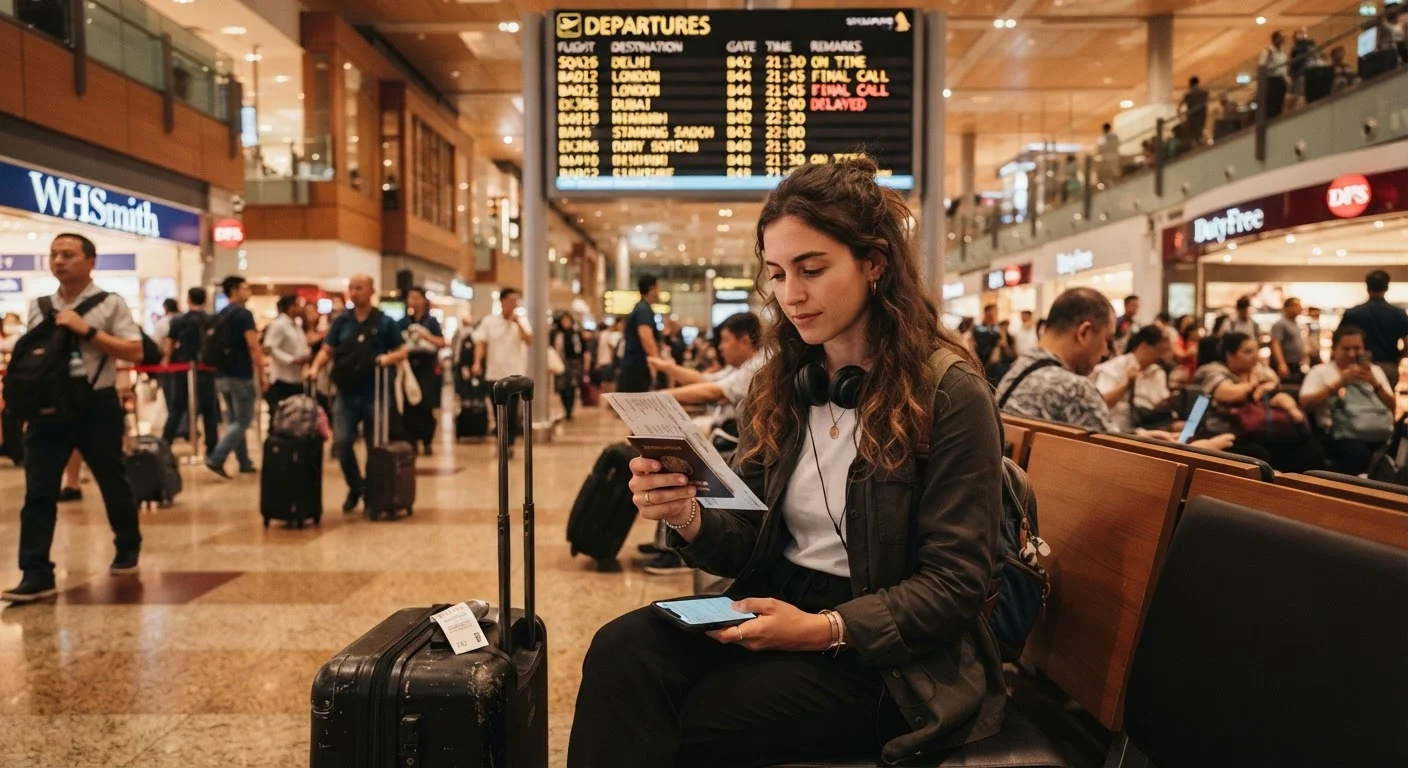
Why Every Traveler Needs a Mental Emergency Toolkit
Even the most carefully planned trip can run sideways. A passport disappears. A flight gets canceled. A wallet vanishes in a crowded market. These aren't freak events - they're experiences millions of travelers face every year, and how you respond in the first 30 minutes often determines how quickly you recover.
The good news: most travel emergencies follow a predictable pattern, which means you can prepare a response in advance. The situations below cover the scenarios travelers encounter most often, along with practical, level-headed steps to take when they do. For a solid foundation before your trip even begins, the pre-trip safety and document checklist is worth reviewing - it covers exactly the kind of preparation that makes emergencies less devastating.
Lost or Stolen Passport
Losing your passport abroad feels catastrophic, but it's a well-worn path with a clear procedure. Report the loss immediately to local police and obtain a written police report - you'll need it. Then contact the nearest U.S. embassy or consulate; they can issue an emergency passport, sometimes within 24 hours for urgent travel needs.
Before your trip, photograph every page of your passport and email the images to yourself. Keeping a physical copy in a separate bag from the original also speeds up the replacement process significantly. The travel documents Americans need article outlines what to carry and how to prepare.
A police report and your nearest U.S. embassy are the two things you need immediately.
Missed or Canceled Flight
When a flight disruption is the airline's fault - mechanical issues, crew delays, weather at the origin - you generally have rights to rebooking at no charge, and sometimes meal vouchers or accommodation depending on the delay length and the airline's policies. Ask specifically and firmly at the gate or ticketing desk.
If you missed a connection due to a late incoming flight operated by the same carrier, they're typically obligated to rebook you on the next available flight. Document everything: take photos of departure boards, save all communications, and keep receipts for any expenses. International travel is governed by varying regulations, so the protections you receive may differ depending on the airline and where you're flying.
If the airline caused the delay, ask directly about rebooking rights - don't assume they'll volunteer the information.
Wallet or Card Theft
The moment you realize your wallet is gone, call your bank and card issuers to freeze or cancel your cards. Most major U.S. banks have 24-hour international lines listed on the back of your card - save those numbers in your phone before you travel, not on a card in your wallet.
Next, file a police report for insurance and dispute purposes. Services like Western Union or MoneyGram allow someone at home to wire emergency cash fairly quickly. Keep a small amount of backup cash in a separate location - a money belt or hotel safe - as a buffer while you sort things out. See our guide to keeping your devices and data safe while traveling for digital security steps that go hand-in-hand with physical security.
Save your bank's international emergency number somewhere other than your wallet before every trip.
Medical Emergency Abroad
If you or a travel companion needs urgent medical care, call the local emergency number first - research it before arrival since it varies by country. Many hotels can also help connect you with a local doctor or hospital quickly.
Contact your travel insurance provider as early as possible; many policies require pre-authorization for non-emergency hospital care, and some have 24-hour assistance lines specifically for travelers. Medical evacuation - if needed - can cost tens of thousands of dollars without coverage. Keep your insurance card and policy number accessible at all times. Note that this article provides general information only and is not a substitute for professional medical advice. Always consult a qualified healthcare provider for any medical decisions.
Your travel insurance's 24-hour assistance line is often more useful in a medical crisis than searching on your own.
Severe Weather or Natural Disaster
Register with the U.S. State Department's Smart Traveler Enrollment Program (STEP) before international trips - it allows the embassy to contact you during emergencies and helps your family locate you. If severe weather or a local emergency develops, follow official local guidance and move to a safe location rather than attempting to continue your itinerary.
Contact your airline and accommodation to understand your options; many will waive change or cancellation fees during declared emergencies. Travel insurance with trip interruption coverage may reimburse unrecoverable costs, though policy terms vary - always verify directly with your provider. Monitor official government travel advisories at travel.state.gov for up-to-date guidance on your destination.
Enrolling in the State Department's STEP program before you leave costs nothing and matters enormously in a crisis.
Lost Luggage
Report missing bags to the airline's baggage service desk before leaving the airport - not online, not later. Get a written Property Irregularity Report (PIR) with a reference number, which you'll need for any claim. Most airlines will deliver delayed bags to your accommodation once located, and many provide a basic toiletry or clothing allowance for significant delays.
For lost bags (as opposed to delayed), the claims process involves documentation of the bag's contents and their approximate value. Keep receipts for anything you must purchase while waiting. Packing a change of clothes and essential medications in your carry-on sidesteps much of this stress entirely - a habit worth building into every trip via the smart trip planning habits covered in our planning guide.
File your missing luggage report at the airport desk before you leave - the window for a strong claim closes quickly.
Preparation Is the Best Emergency Response
None of these situations require panic - they require a plan. Before every trip, store scanned copies of your passport, insurance card, and key reservation confirmations somewhere accessible offline and in the cloud. Share your itinerary with someone at home. Research the local emergency number for each country you're visiting (it's not always 911). And if you're managing medications while abroad, the country-by-country prescription medication guide provides important context on documentation and regulations.
The travelers who handle emergencies best aren't necessarily the most experienced - they're the most prepared. Pair this article with our smart habits for every stage of trip planning to build those habits well before departure day.
Store Copies Somewhere You Can Always Access
Email yourself scanned copies of your passport, travel insurance card, and any visas before every trip. Consider a secure cloud folder accessible from any device. If your phone is lost too, being able to log in from any computer at a hotel or internet café gives you immediate access to the information you need most.
The content on this site is provided for informational purposes only and should not be considered a substitute for professional advice. While we strive to provide accurate and up-to-date information, we make no guarantees regarding its completeness or accuracy. Always consult a qualified professional for advice specific to your circumstances before making any decisions.