

Why Your Charging Routine Matters More Than You Think
The lithium-ion battery inside your smartphone is a consumable component - it has a finite number of charge cycles before it loses meaningful capacity. Most manufacturers rate their batteries for somewhere between 300 and 500 full cycles before capacity drops noticeably, though real-world results vary. What few people realize is that how you charge matters as much as how often you charge.
Every day, millions of Americans follow charging routines that feel completely harmless - plugging in overnight, topping up constantly throughout the day, using whatever cable is handy - without knowing these habits are compounding wear on their battery. Understanding the basic chemistry behind lithium-ion cells helps explain why certain habits cause damage, and why changing them is worth the modest effort. This connects directly to the broader question of how long your devices realistically last - and what role you play in that outcome.
~500
Typical full charge cycles before noticeable battery degradation
Apple and other manufacturers generally rate lithium-ion batteries to retain around 80% of original capacity after approximately 500 complete charge cycles under normal conditions.
35°C / 95°F
Temperature threshold above which battery aging accelerates
Battery research consistently identifies sustained heat exposure above this threshold during charging as one of the most damaging factors for lithium-ion cell longevity.
Common Charging Mistakes and How to Avoid Them
The habits below are widespread precisely because they seem logical or convenient. Recognizing them is the first step to breaking them.
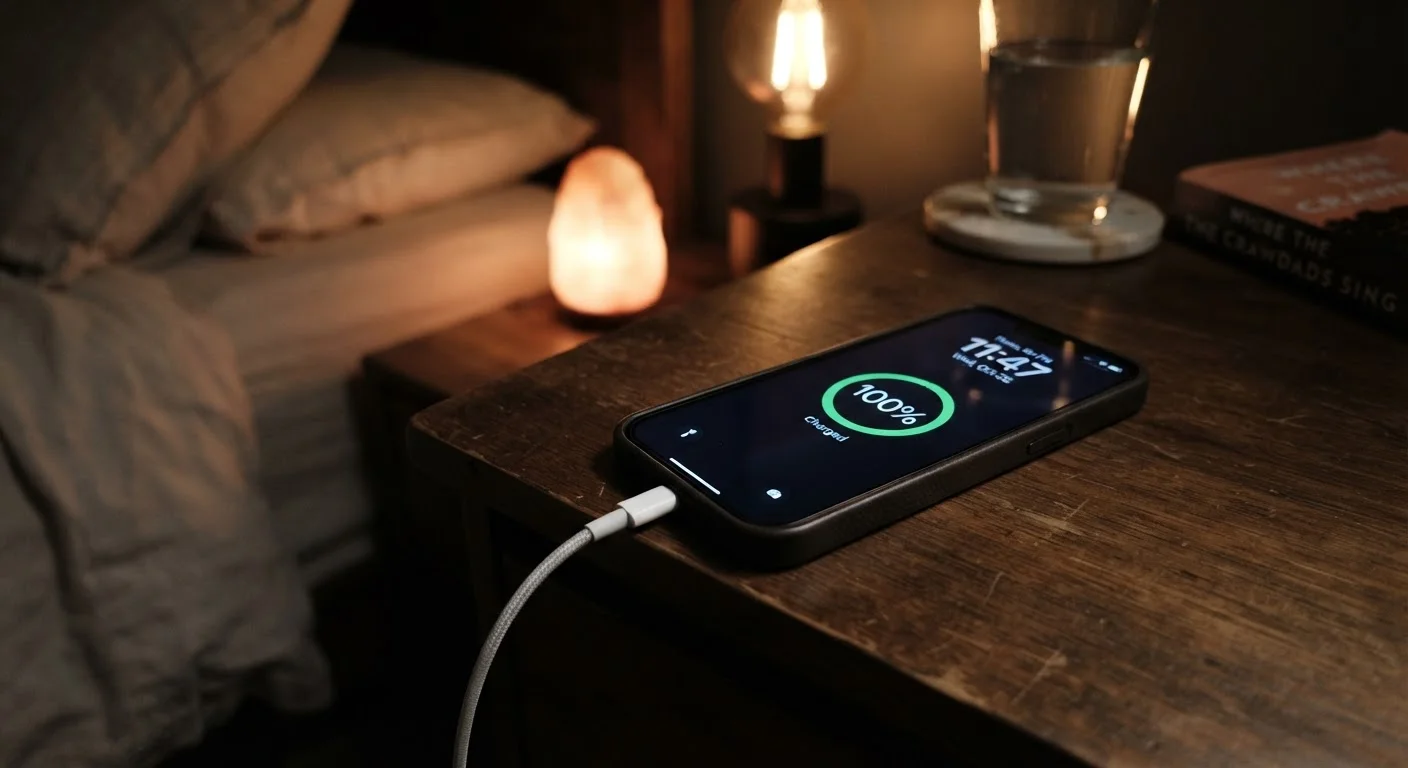
Charging your phone to 100% every night and leaving it plugged in overnight.
Why it happens: It's convenient to plug in at bedtime and wake up to a full battery. Most people assume 100% is always the goal.
Letting the battery drain completely to 0% before charging.
Why it happens: Older nickel-based batteries benefited from full discharge cycles, and that advice has persisted despite the shift to lithium-ion technology.
Using fast charging every single time, regardless of whether you actually need a rapid top-up.
Why it happens: Fast charging is prominently advertised, and the speed feels like a straightforward upgrade. Users rarely think about the trade-offs.
Charging your phone while it's in a hot environment - on a sunny dashboard, near a stove, or under direct sunlight.
Why it happens: Convenience drives placement. People charge wherever their phone happens to be, without considering ambient temperature.
Using cheap, uncertified third-party chargers and cables not designed for your device.
Why it happens: Off-brand chargers are inexpensive and widely available. The differences aren't visible, so many people assume they're interchangeable.
Heat During Charging Is the Biggest Hidden Risk
Unlike visible damage, heat-related battery degradation is invisible and cumulative. A phone that regularly runs hot while charging - especially inside a case, on a soft surface, or in a warm room - may show noticeably reduced capacity within a year or two. If your phone feels uncomfortably warm during a charge session, remove the case and move it to a cooler surface immediately.
Building Better Charging Habits Day to Day
Improving your charging routine doesn't require expensive accessories or constant attention - it mostly means shifting a few defaults. Aim to keep your phone's charge level in the 20%-80% range as your everyday target, only charging to 100% when you know you'll genuinely need the full capacity. Many modern Android phones and iPhones now include a built-in charging limit or "optimized battery charging" setting; if yours has it, enable it. These are exactly the kind of overlooked phone settings worth turning on.
When you charge, remove thick cases if your phone becomes noticeably warm during the process. Charge on hard, flat surfaces rather than beds or couches, which trap heat. And if you're not using your phone for an extended period - say, you're switching devices temporarily - store it at around 50% charge rather than full or empty.
Your phone is one of the most-used and most-replaced consumer electronics in your home. Preserving its battery doesn't just save you from an early upgrade; it reduces the energy and materials needed to manufacture a replacement. As a side note, even chargers left plugged into the wall without a device draw a small amount of standby power - something worth considering if you're mindful of energy use overall. Learn more about what draws power in your home even when switched off.
The content on this site is provided for informational purposes only and should not be considered a substitute for professional advice. While we strive to provide accurate and up-to-date information, we make no guarantees regarding its completeness or accuracy. Always consult a qualified professional for advice specific to your circumstances before making any decisions.