

What Is Standby Power - and Why Does It Matter?
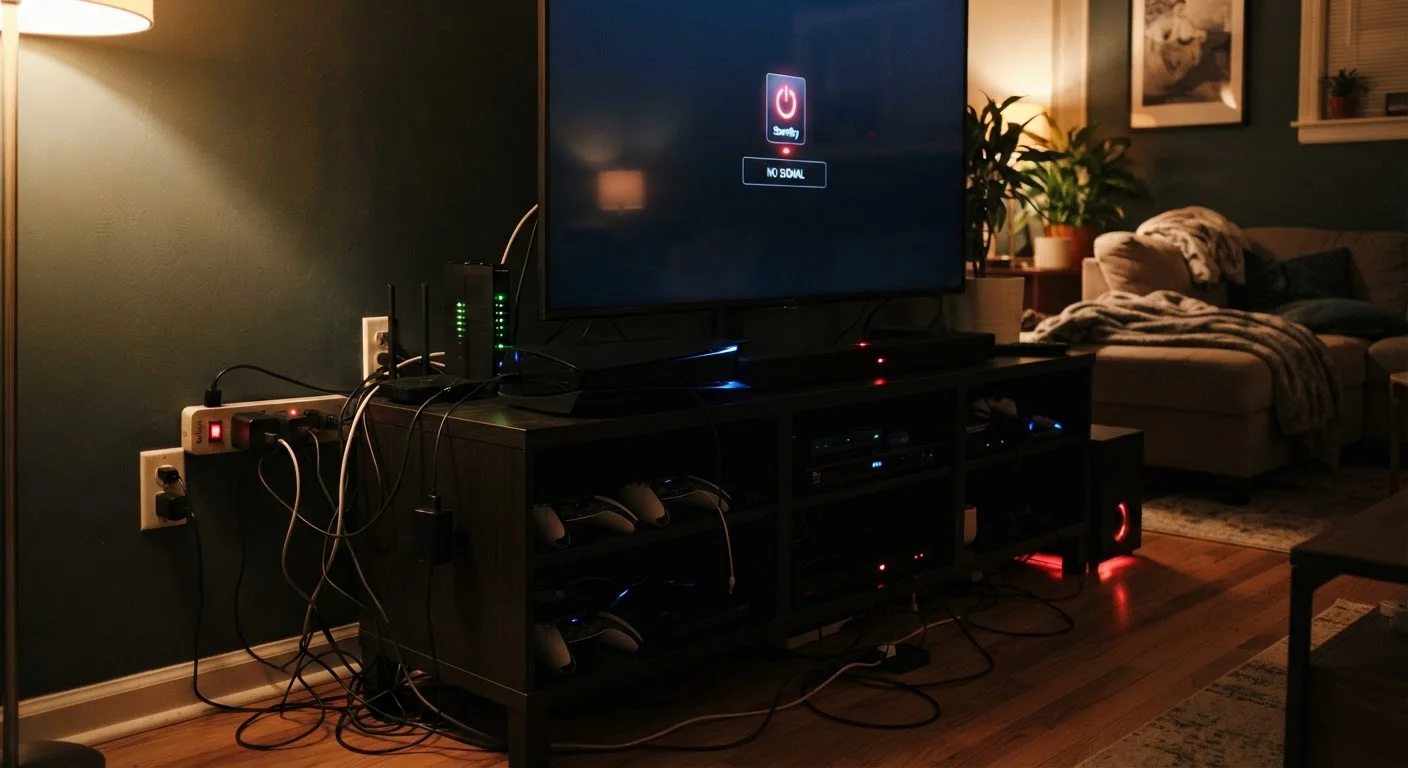
Standby power - also called idle power draw, phantom load, or vampire draw - refers to the electricity a device consumes while plugged in but not actively in use. It's not a glitch or a flaw; it's intentional. Manufacturers build standby circuitry into products so they can respond instantly to a remote signal, maintain a clock, or stay connected to a network.
The U.S. Department of Energy has estimated that standby power can account for roughly 5-10% of a typical American household's electricity use. Spread across a home with dozens of plugged-in devices, those small draws accumulate into a meaningful portion of your monthly electric bill - and they run 24 hours a day, 365 days a year, whether you're home or not.
| Estimated share of home energy from standby | 5-10% (U.S. Department of Energy) |
| Cable/satellite box idle draw | 15-25 watts (Lawrence Berkeley National Laboratory estimates) |
| Gaming console instant-on draw | 10-15 watts (Varies by console model and settings) |
| Microwave clock display draw | 2-4 watts (General industry measurement range) |
| Smartphone charger idle draw (no device) | Under 0.5 watts (Typical modern charger measurement) |
Understanding what's drawing power when switched off is the first step toward deciding whether - and how - to reduce it.
The Biggest Phantom-Load Offenders in Most Homes
Not every device draws the same idle wattage. Here's a practical breakdown of the most common culprits, organized by category.
Entertainment Devices
- Cable and satellite boxes are among the worst offenders, often drawing 15-25 watts continuously - nearly as much as when actively streaming. Many lack a true off mode.
- Gaming consoles in standby or "instant-on" mode can pull 10-15 watts. Some consoles are configured to download updates overnight, keeping energy use elevated.
- Televisions on standby typically draw 0.5-3 watts, a modest but constant figure. Older plasma sets drew significantly more.
Chargers and Power Supplies
- Smartphone and tablet chargers left plugged in without a device attached still draw a small amount - usually under 0.5 watts each, but multiply that by every charger in every room. See our guide to smarter charging habits for related context on how power behavior affects your devices.
- Laptop power adapters draw 1-5 watts at idle. A large gaming laptop brick sits at the higher end.
Kitchen and Laundry Appliances
- Microwave ovens use power continuously to run the clock display - typically 2-4 watts.
- Coffee makers with displays or timers pull similar idle loads.
- Washing machines and dryers with digital controls may draw 1-5 watts even when idle.
Networking and Home Office Equipment
- Routers and modems are almost always on by design and draw 6-20 watts. Unlike many devices, these are genuinely meant to stay active.
- Desktop computers in sleep mode often draw 1-10 watts; monitors on standby add 0.5-5 watts more.
Standby Power
The electricity a device consumes while plugged in but not actively performing its main function. Also called idle power draw or phantom load.
Phantom Load
A colloquial term for standby power - energy 'invisibly' consumed by devices that appear to be off. Sometimes also called vampire draw.
Watt Meter
A plug-in device that measures how many watts a plugged-in appliance is drawing in real time, useful for identifying hidden energy consumption.
ENERGY STAR
A voluntary certification program run by the U.S. Environmental Protection Agency that sets efficiency standards for appliances and electronics, including limits on standby power draw.
Smart Power Strip
A power strip that automatically cuts electricity to secondary outlets when it detects the primary device has been switched off, helping eliminate phantom loads from peripheral equipment.
How to Measure and Reduce Your Home's Vampire Draw
The most reliable way to identify your specific draw is with a plug-in power meter (sometimes called a watt meter). These inexpensive devices display real-time and cumulative wattage for any plugged-in device. Readings vary significantly between models and brands, so direct measurement is more accurate than any general estimate.
Practical Reduction Strategies
- Smart power strips cut power to peripheral devices - speakers, gaming accessories, a monitor - when the primary device (like a TV or desktop) is turned off.
- Switching to "eco" or energy-saving standby modes in a device's settings menu can reduce idle draw substantially on consoles and TVs.
- Unplugging chargers when not in use is simple and costs nothing.
- Replacing older electronics with newer, energy-efficient models can lower standby consumption, since modern energy efficiency standards (such as those from ENERGY STAR) include standby limits. For a broader view on device longevity and replacement timing, see how long consumer electronics realistically last.
There's no single action that eliminates standby consumption entirely - but identifying the highest draws in your home and addressing those specifically delivers the most practical benefit with the least disruption to daily routines.
This article is for general informational purposes only. Actual energy consumption varies by device model, usage settings, and regional utility rates. Consult your utility provider or a qualified electrician for guidance specific to your situation.
The content on this site is provided for informational purposes only and should not be considered a substitute for professional advice. While we strive to provide accurate and up-to-date information, we make no guarantees regarding its completeness or accuracy. Always consult a qualified professional for advice specific to your circumstances before making any decisions.