

Our Verdict
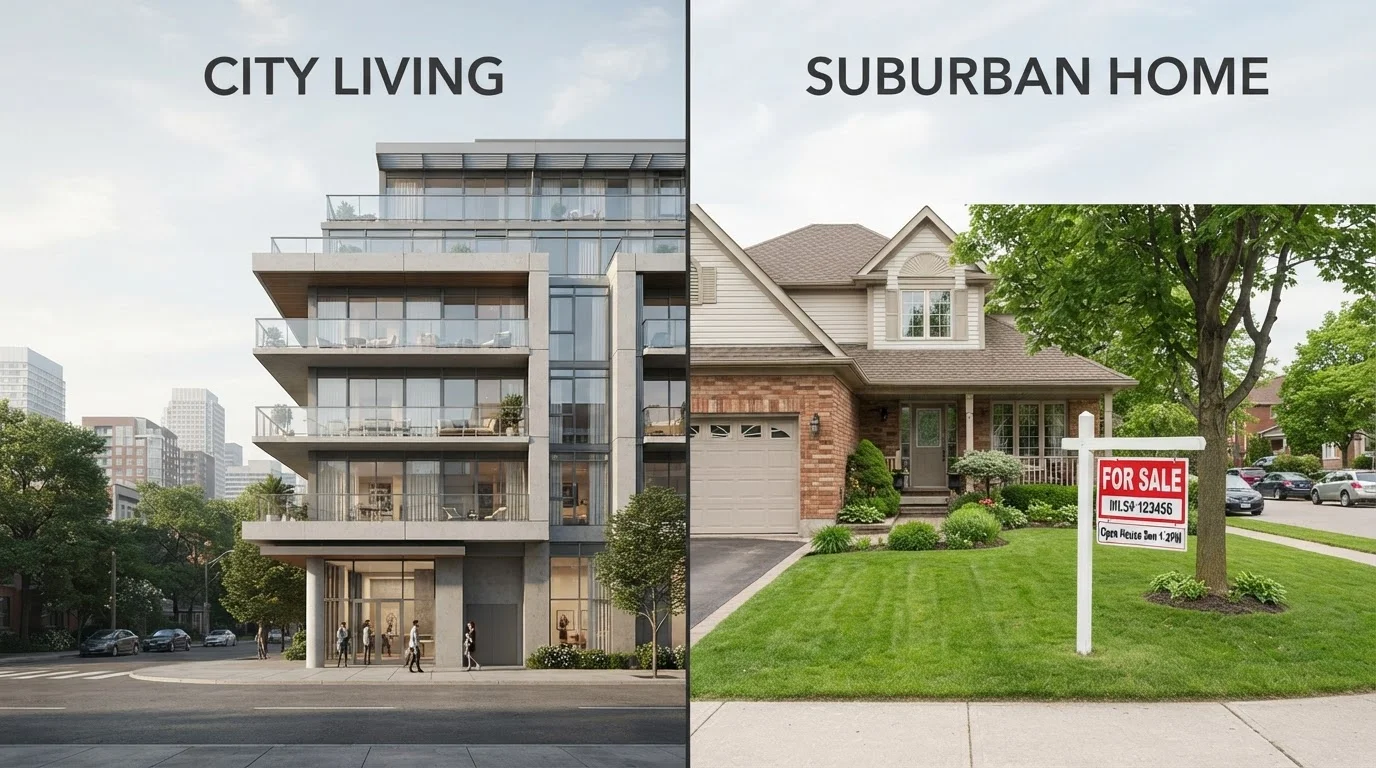
Renting and buying each serve different financial situations and life stages. Renting suits those who value flexibility, are in a high-cost market, or lack the savings for a down payment. Buying tends to favor those with stable income, a long-term horizon, and a local market where ownership costs are competitive with renting.
Renters who prioritize mobility or are still building savings, and buyers who have stable finances and plan to stay in one location for at least five to seven years.
The Core Trade-Off: Flexibility vs. Equity
The renting vs. buying debate rarely has a clean winner. Each path reflects a different set of priorities - and the right answer shifts based on your financial position, how long you plan to stay, and what the local housing market looks like.
Renting offers something buying cannot easily replicate: the freedom to move. Whether you're in a career transition, uncertain about a city, or simply not ready to commit to one location, a lease provides a defined exit point. Month-to-month and annual leases each carry different trade-offs in flexibility and cost - understanding them helps renters make sharper decisions.
Buying, by contrast, converts housing costs into an asset. Mortgage payments reduce what you owe on a property you own, and if the property appreciates, your net worth grows. But ownership also means absorbing every repair bill and accepting reduced liquidity.
Lower upfront financial commitment to get started
Renting typically requires a security deposit and first month's rent, while buying demands a down payment, closing costs, and inspection fees that can total tens of thousands of dollars.
Greater flexibility to relocate on shorter notice
Most leases end within 12 months, making it far easier to move for a job, family change, or lifestyle shift without the complexity of selling a property.
Predictable short-term housing expenses
Renters are generally shielded from major repair bills - a broken furnace or roof leak is the landlord's financial responsibility under most state laws.
Ownership builds equity and long-term net worth
Each mortgage payment reduces your loan balance, and property appreciation over time can significantly grow household wealth - something rent payments do not provide.
Homeowners gain full control over their space
Owners can renovate, repaint, add landscaping, or adopt pets without landlord approval, providing a level of personal expression renters rarely have.
Fixed-rate mortgages offer long-term payment stability
A fixed-rate loan locks in a consistent monthly payment for the life of the loan, while renters in many markets face annual rent increases at lease renewal.
What Renting Actually Costs You - and What It Doesn't
The common criticism that rent is "throwing money away" oversimplifies the picture. Renters avoid property taxes, homeowners insurance, HOA fees, and maintenance - costs that can add hundreds of dollars monthly to the true cost of ownership.
That said, renting does carry real financial drawbacks. In most U.S. markets, rent prices adjust at renewal, and there's no guarantee of stability beyond the current lease term. Renters in unregulated markets have limited protection against sharp increases.
Savvy renters can offset some of these downsides by negotiating lease terms, understanding their rights under state landlord-tenant law, and avoiding common apartment hunting mistakes that create costly problems later. Renter's insurance, typically affordable, protects personal property and provides liability coverage that landlord policies do not extend to tenants.
Renting builds no ownership equity over time
Monthly rent payments go entirely to the landlord. Over decades, this represents a significant transfer of wealth without the asset-building benefit that mortgage payments provide.
Renters face rent increases and lease non-renewal risks
Unless in a rent-stabilized unit, tenants can face steep rent hikes at renewal or be asked to vacate when a lease ends, creating housing instability.
Limited ability to personalize the living space
Most leases restrict painting, structural changes, or even hanging certain fixtures - renters trade customization freedom for flexibility.
Buying requires substantial upfront capital
Down payments conventionally range from 3% to 20% of the purchase price, plus closing costs averaging 2-5%, creating a high barrier to entry in expensive markets.
Homeowners bear full maintenance and repair responsibility
HVAC systems, roofs, plumbing, and appliances are the owner's cost. These unexpected expenses can run into thousands of dollars without warning.
Real estate is relatively illiquid as an asset
Selling a home takes time and typically involves agent commissions and closing costs of 6-10%, meaning short-term buyers can lose money if they need to sell quickly.
When Buying Makes Financial Sense
Homeownership builds wealth over time - but only under the right conditions. The financial case for buying strengthens when you have a stable income, a sufficient down payment, and a realistic plan to stay in one place for at least five to seven years. Selling too soon can wipe out any gains through transaction costs alone.
Market Conditions Shift the Math
In some markets, monthly mortgage payments on a median-priced home significantly exceed comparable rents - while in others, buying can be cost-competitive from day one. The local market environment (whether buyers or sellers hold more leverage) meaningfully affects affordability calculations. Always run the numbers for your specific city or neighborhood before drawing conclusions.
Mortgage structure also matters. A fixed-rate vs. adjustable-rate mortgage decision affects your monthly payment exposure over years or decades. First-time buyers especially should understand these structures before committing.
It's also worth stress-testing your assumptions. Home prices don't always rise - local job losses, overbuilding, or economic shifts can flatten or reverse appreciation. The myths that mislead buyers - like the belief that property values only ever increase - can lead to costly miscalculations.
~35%
Share of U.S. households that rent
According to U.S. Census Bureau data, roughly one in three American households rents rather than owns their primary residence.
5-7 years
Typical breakeven horizon for buying
Housing economists generally estimate that buyers need to stay in a home five to seven years to recoup purchase and transaction costs through equity and appreciation.
3%-20%
Typical down payment range
Conventional loan programs allow down payments as low as 3%, while a 20% down payment avoids private mortgage insurance (PMI) requirements.
Making the Decision for Your Situation
Neither renting nor buying is inherently superior. The right path depends on factors unique to you: your savings, job stability, how long you'll stay, and what housing actually costs in your market. For a comprehensive side-by-side look at the financial and lifestyle dimensions of this choice, see this honest comparison of both paths.
Renters who feel financially ready to buy should also explore the broader home buying process to understand what's involved before committing. Those who decide renting is the better fit right now can still make strategic choices - about lease terms, location, and tenant protections - that serve their long-term goals.
The most important thing is to make the decision based on your actual numbers and circumstances, not social pressure or assumptions about what "responsible adults" are supposed to do.
This article is for general informational purposes only and does not constitute financial, legal, or real estate advice. Consult a licensed financial adviser or real estate professional for guidance specific to your situation.
The content on this site is provided for informational purposes only and should not be considered a substitute for professional advice. While we strive to provide accurate and up-to-date information, we make no guarantees regarding its completeness or accuracy. Always consult a qualified professional for advice specific to your circumstances before making any decisions.