

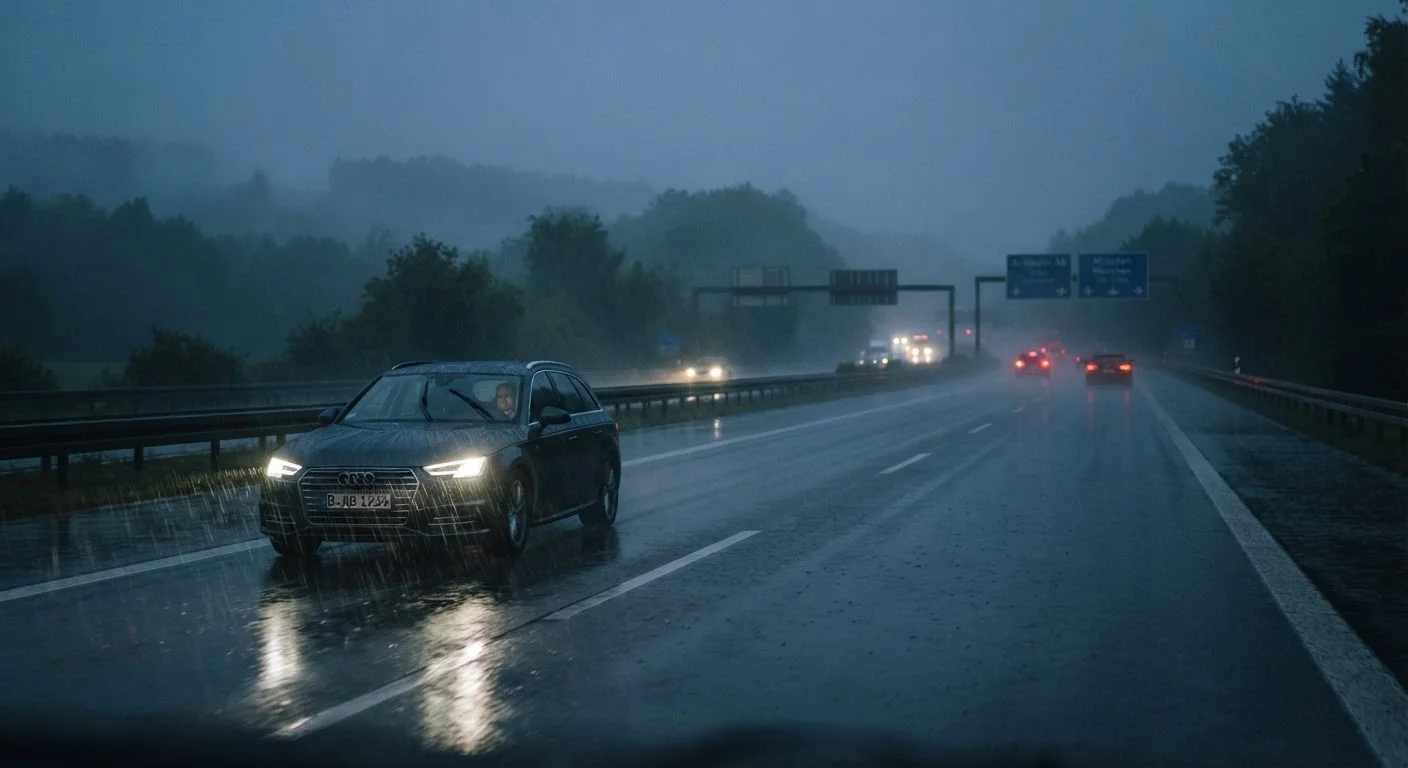
Why Weather Conditions Require Different Responses
Not all bad weather is the same, and treating it as such is one of the most common mistakes drivers make. Rain reduces friction and visibility simultaneously, but differently than ice does. Fog eliminates visual reference points without affecting road grip. Snow changes road texture in ways that vary dramatically by temperature. Each condition changes the physics of your vehicle's interaction with the road, which means each one demands a tailored response.
The Federal Highway Administration estimates that weather-related vehicle crashes account for roughly 21% of all motor vehicle crashes annually in the United States, resulting in thousands of fatalities and hundreds of thousands of injuries. Understanding why each condition is dangerous - not just that it is - helps drivers make better decisions in real time.
The principles of defensive driving become especially important when conditions deteriorate. Anticipating hazards rather than reacting to them is far more effective when your stopping distance doubles or visibility drops to a few car lengths.
Driving in Rain: Traction, Hydroplaning, and Visibility
Rain is the most frequently encountered bad-weather condition, and it's often underestimated because it feels familiar. The primary risks are reduced traction, hydroplaning, and impaired visibility - all of which worsen as rainfall intensifies.
Traction loss begins even in light rain. Water mixes with road oils and grime to create a slick film, especially in the first 10-15 minutes of a rain event before the surface washes clean. Reduce speed and avoid sharp steering inputs or sudden braking.
Hydroplaning occurs when a tire rides on a thin layer of water rather than contacting the road surface. It can happen at speeds as low as 35 mph on worn tires. If you feel the steering go light, ease off the accelerator gradually - do not brake hard or turn sharply.
Check your tire tread depth before the rainy or winter season - insert a penny into the tread groove with Lincoln's head facing down. If you can see the top of Lincoln's head, your tires are below the recommended 2/32" minimum.
Tire tread depth directly determines how effectively water is channeled away from the contact patch, reducing hydroplaning risk and improving stopping distance on wet roads.
When driving in snow or ice, accelerate from a stop very slowly - feathering the gas - rather than pressing the pedal normally. This is the most common place where drivers lose traction and spin wheels unnecessarily.
Sudden torque application on low-traction surfaces overcomes the available grip almost immediately, causing wheel spin that can lead to loss of directional control.
Visibility drops quickly in heavy rain. Use low-beam headlights any time your wipers are running - many states legally require this. Increase your following distance to at least four seconds, up from the standard two, to allow for longer stopping distances on wet pavement.
Driving in Snow: Speed, Braking, and Surface Awareness
Snow driving presents a layered challenge: the road surface changes constantly as snow accumulates, compacts, melts, or refreezes. A road that was manageable an hour ago may be significantly more treacherous now.
The most important adjustment in snow is dramatically reducing speed. Stopping distances on packed snow can be three to four times longer than on dry pavement. Accelerate and brake gently - abrupt inputs overwhelm traction and cause skids. If your vehicle has anti-lock brakes (ABS), apply firm, steady pressure; the system will pulse the brakes for you. If it doesn't, apply light, pumping pressure.
All-wheel drive (AWD) and four-wheel drive (4WD) systems help with acceleration, but they do not improve braking or cornering on snow. Drivers who over-rely on AWD in snow are statistically overrepresented in winter crashes, according to safety researchers.
Be aware of road surface variation. Bridges and overpasses freeze faster than road surfaces because cold air contacts them from above and below. Shaded patches under trees or buildings can stay icy hours after surrounding roads have cleared.
Driving in Fog: Lights, Speed, and the Illusion of Safety
Fog is uniquely dangerous because it creates a false sense of security. Visibility may appear consistent - you can see 200 feet ahead - but what you cannot see is what's just beyond that threshold. Drivers instinctively calibrate their speed to what they can perceive, which in fog is often inadequate stopping distance.
Use low-beam headlights in fog, not high beams. High beams reflect off the water droplets in fog and scatter light back at you, making visibility worse. If your vehicle has dedicated fog lights, use them in combination with low beams.
Never Use High Beams in Fog
Switching to high beams in foggy conditions is a common mistake that actually reduces your visibility by reflecting light back off the water droplets suspended in the air. Always use low beams and, where available, dedicated fog lights. Avoid using hazard lights while moving, as this can confuse other drivers about your speed and direction.
Reduce your speed to a level where you can stop within your visible range. If you can see 150 feet, you should not be traveling faster than 30-35 mph. Dense fog may warrant speeds below 25 mph or pulling off the road entirely if a safe area is available.
Increase following distance significantly and listen for traffic you cannot see. In very dense fog, turn on your hazard lights if you must pull over, and move as far from the travel lane as possible. Fog conditions can vary unpredictably - patches of dense fog embedded in otherwise clear roads are especially hazardous.
Fog shares some characteristics with night driving hazards. Our guide on night driving hazards covers other low-visibility scenarios worth understanding.
Driving on Ice: The Highest-Risk Condition Explained
Ice - especially black ice - represents the most dangerous road surface a driver is likely to encounter. Black ice is a thin, transparent glaze that forms when water freezes on pavement, making it nearly invisible. It typically forms when temperatures drop near or below freezing, especially on bridges, overpasses, shaded roadways, and at dawn when overnight chill has had time to act on wet surfaces.
On ice, traction is so limited that normal driving inputs - steering, braking, accelerating - can each cause a loss of control. The appropriate response is to slow down before reaching icy sections, maintain smooth, minimal inputs, and leave enormous following distances. If you begin to skid on ice, steer in the direction you want the front of the vehicle to go, and avoid overcorrecting.
Even at 10-15 mph, ice can cause vehicles to slide through intersections or off curves. Speed is the single greatest risk factor. When ice is reported or suspected, treat all roads with extreme caution regardless of how they appear visually.
Vehicle Preparation and When to Stay Home
Safe driving in bad weather starts before you get in the car. Tires are your primary contact with the road - tread depth, inflation, and type all directly affect performance in rain, snow, and ice. Worn tires dramatically increase hydroplaning risk and reduce traction on snow. In regions with regular winter weather, dedicated winter tires are widely recognized as providing a meaningful safety advantage over all-season tires.
Ensure your wipers clear effectively, your defrosters work front and rear, and your headlights and tail lights are functioning. A seasonal vehicle readiness checklist can help you stay ahead of weather-related failures before they happen in the field.
Before a long trip in uncertain weather, review the driver safety checklist to ensure your vehicle and supplies are prepared for deteriorating conditions.
Finally, recognize when not driving is the right choice. If state or local authorities have issued travel advisories, road closures, or emergency declarations, those guidelines exist because conditions are objectively dangerous for most drivers. No appointment or destination is worth a preventable crash.
This article provides general educational information about driving in adverse weather conditions. Always follow local traffic laws, posted speed limits, and official guidance from transportation and emergency management authorities for your area.
The content on this site is provided for informational purposes only and should not be considered a substitute for professional advice. While we strive to provide accurate and up-to-date information, we make no guarantees regarding its completeness or accuracy. Always consult a qualified professional for advice specific to your circumstances before making any decisions.