

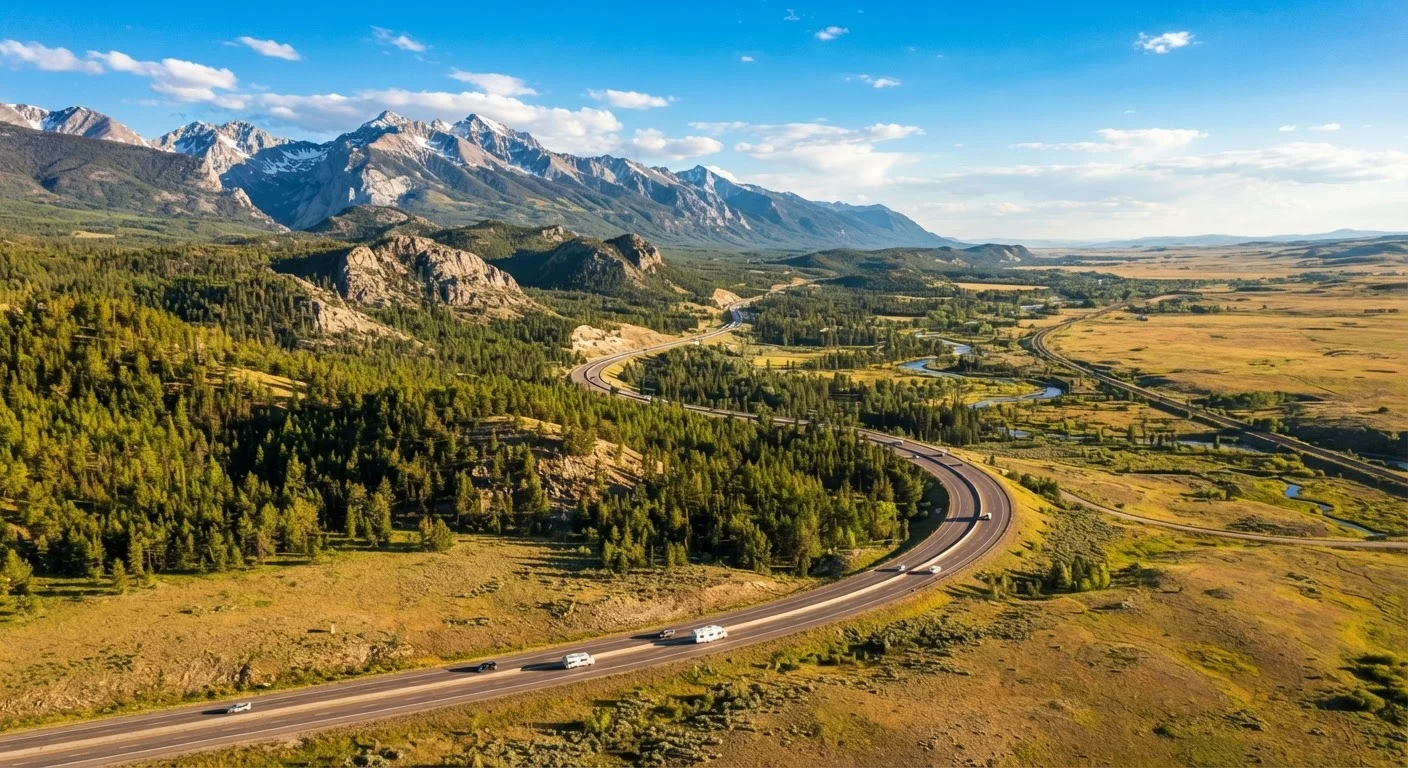
Start With the Big Picture: Destination and Trip Type
Every great trip starts with a single honest question: What kind of experience do you actually want? The United States is remarkably varied - from the national parks of Utah to the bayous of Louisiana, from New England's fall foliage to the surf towns of Southern California. Before comparing flight prices or scrolling lodging listings, get clear on your core travel goals.
Common domestic trip types include outdoor and adventure travel, city cultural immersion, beach and relaxation getaways, road trips, family visits, and event-based travel. Each type carries different planning priorities. A national park trip demands campsite reservations months ahead; a weekend city break may come together in weeks.
Also consider your group: solo travelers, couples, families with young children, and friend groups each have different logistical needs and comfort levels. If you're newer to planning independently, this first-timer's roadmap walks through every stage from concept to departure. For a broader look at how domestic planning compares to going abroad, see how the differences really add up.
When choosing a destination, cross-reference your desired experience with the region's actual off-peak season - you'll often find the same scenery with far fewer crowds and more accommodation availability.
Peak-season travel to popular U.S. destinations like national parks or coastal towns can mean sold-out lodging and long wait times, significantly affecting the quality of the experience.
Build at least one completely unscheduled half-day into every multi-day trip - treat it as a strategic buffer, not wasted time.
Experienced travelers know that delays, detours, and unexpected discoveries are the norm. A planned buffer day absorbs disruptions without derailing the whole itinerary.
Building Your Timeline and Itinerary
Once you've chosen a general direction, build a realistic timeline. Start by anchoring your trip around fixed constraints - work schedules, school calendars, or regional peak seasons - then work outward.
A well-structured itinerary balances planned activities with breathing room. Overpacking a schedule is one of the most common mistakes travelers make, leading to exhaustion instead of enjoyment. Aim to plan one to two anchor experiences per day and leave the rest open for discovery or rest.
Seasonality matters significantly across the U.S. The Gulf Coast in summer is hot and humid; the Rocky Mountains in winter can be breathtaking but demanding. Research your destination's shoulder seasons - often the sweet spot for good weather and smaller crowds - before committing to dates.
For a deeper look at what separates a polished plan from a chaotic one, explore the anatomy of a well-built itinerary. And for ongoing planning habits that reduce last-minute stress, these smart habits cover every stage.
Budgeting Realistically for a Domestic Trip
Domestic travel can range from extremely affordable to surprisingly expensive depending on destination, timing, and travel style. A realistic budget includes five core categories: transportation, lodging, food, activities and entrance fees, and a contingency reserve (typically 10-15% of your total estimated cost).
~$1,200
Average domestic leisure trip cost per person
Industry travel research consistently places average per-person domestic trip spending in the $1,000-$1,500 range, varying significantly by destination and travel style.
63%
Americans who say cost is their top travel concern
According to multiple consumer travel surveys, budget concerns are the leading factor influencing how Americans plan and modify domestic trip decisions.
Research destination-specific costs before finalizing numbers. A long weekend in New York City or San Francisco carries a very different price profile than a camping trip in rural Montana. Look at average daily meal costs, park or museum entry fees, and local transportation options - many cities have excellent public transit that can significantly reduce costs.
One often-overlooked budget category is travel insurance. While domestic trips don't require it, trip cancellation coverage, medical protection, and emergency evacuation coverage can be genuinely valuable depending on your trip type and health situation. Research your options carefully and review any policy terms before purchasing.
Choosing Accommodations That Fit Your Trip
Accommodations shape the entire feel of a trip. Hotels, motels, vacation rentals, campgrounds, hostels, and bed-and-breakfasts each serve different travel styles and budgets. There's no universally right answer - match the lodging type to the trip's purpose.
For national park visits, reservations at in-park lodges or campgrounds often fill months in advance; use Recreation.gov for federal campsite reservations and plan well ahead. For city travel, consider proximity to your planned activities - a central location often saves both time and transportation costs. Vacation rentals can offer significant value for families or groups, especially for multi-night stays with kitchen access.
Wherever you stay, read recent guest reviews carefully, confirm cancellation policies before booking, and verify the property's exact address and check-in logistics. Explore destinations and accommodation options further in our Destinations & Stays hub.
Watch for Non-Refundable Booking Traps
Many online lodging and transportation platforms default to non-refundable rates that are only slightly cheaper than flexible options. Always read cancellation terms before confirming any reservation. Plans change - unexpected illness, weather events, or personal emergencies are real possibilities - and having a refundable booking can save significant stress and money.
Getting There: Transportation Options
For domestic travel, you're typically choosing among flying, driving, taking the train (Amtrak), or some combination. Each has real trade-offs.
Flying is fastest for long distances but involves airports, security lines, baggage fees, and limited flexibility. Driving offers maximum flexibility and often works out cost-effectively for groups or destinations with gear-heavy activities, but adds fatigue for very long hauls. Amtrak provides a scenic, low-stress option on key corridors - particularly the Northeast - though schedules and routes are limited outside major corridors.
For multi-city road trips, map your route with realistic daily driving estimates (roughly 4-6 hours of actual driving per day is manageable for most travelers) and factor in fuel, tolls, and potential overnight stops. Whatever your method, book as early as your plans are firm to maintain flexibility.
Safety, Health, and Travel Preparedness
Even domestic trips benefit from thoughtful safety preparation. Research your destination's current conditions - weather forecasts, local advisories, road closures, or any seasonal health considerations - from official and authoritative sources rather than assuming everything will be as expected.
Pack a basic first-aid kit, especially for outdoor or remote trips. Know the nearest urgent care or hospital location for your destination. Travelers with existing health conditions should consult their healthcare provider before trips involving altitude changes, extreme heat or cold, or strenuous physical activity. This article is general travel information and is not a substitute for professional medical advice.
For broader guidance on staying safe and healthy while on the road, our Travel Tips & Safety hub covers essential practices for every trip type. And while domestic travel requires less documentation than international travel, certain destinations - U.S. territories, flights, federal lands - may have specific ID requirements. See our reference guide on travel documents Americans need.
Final Checks Before You Go
In the days before departure, run through a structured final review. Confirm all reservations, double-check any required entry or access passes, notify your bank of travel dates if relevant, and arrange pet or home care if needed. Charge all devices, download offline maps for your destination, and share your itinerary with a trusted contact.
For a thorough walkthrough of every pre-departure task, this pre-trip planning checklist covers documents, budgets, insurance, and logistics in one place.
The goal of all this preparation isn't to eliminate spontaneity - it's to build the kind of confidence that lets you enjoy the unexpected moments without anxiety. Plan well, stay flexible, and make the most of everything the United States has to offer.
The content on this site is provided for informational purposes only and should not be considered a substitute for professional advice. While we strive to provide accurate and up-to-date information, we make no guarantees regarding its completeness or accuracy. Always consult a qualified professional for advice specific to your circumstances before making any decisions.