

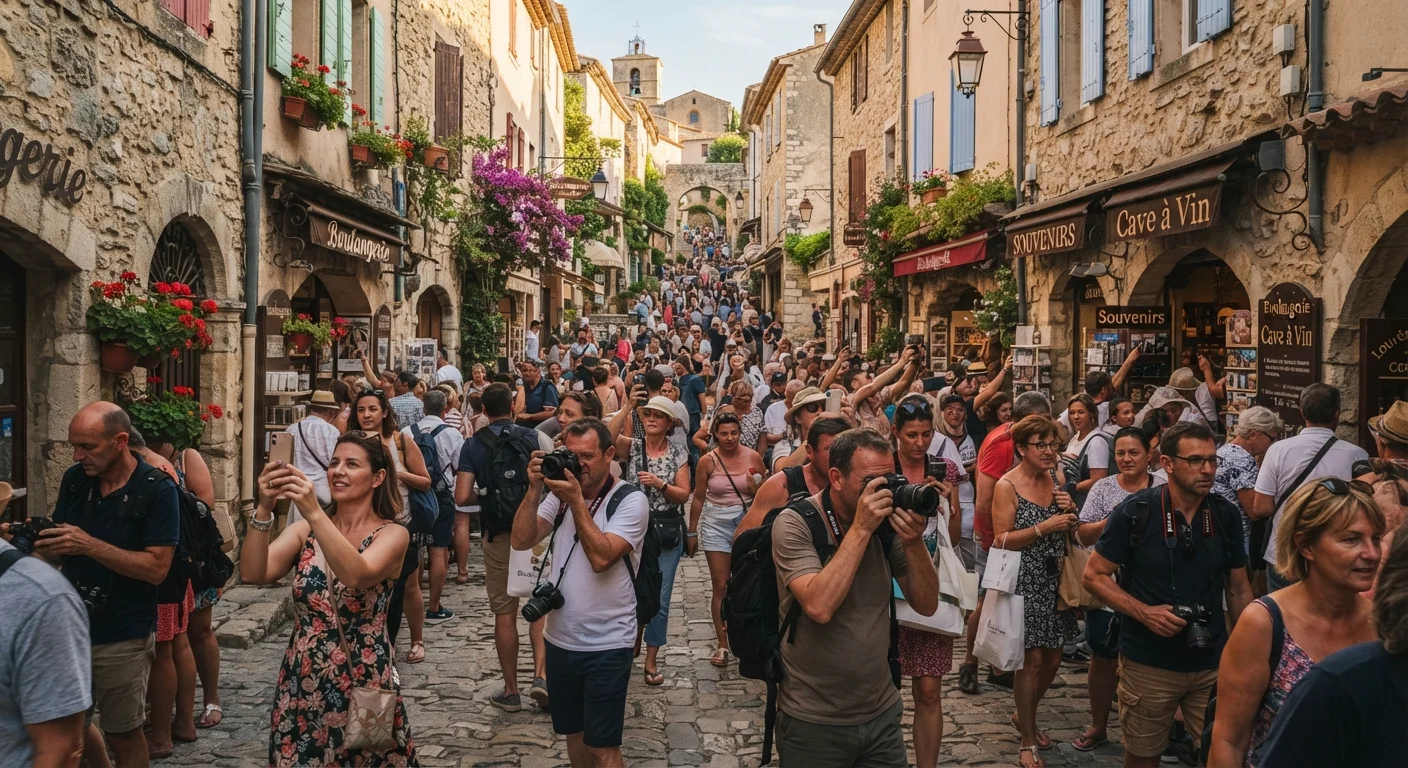
How 'Hidden Gems' Get Discovered-and Destroyed
A travel blogger posts a sunrise photo from a remote Slovenian lake. Within six months, the parking lot is full by 4 a.m. and the trail is lined shoulder-to-shoulder on summer weekends. This is no longer an unusual story-it's a recognizable cycle that has reshaped destinations from Iceland's Fjaðrárgljúfur canyon to small Appalachian towns.
The mechanism is simple: a striking image performs well on social media, travel publications amplify it, and curious travelers pile on. What made a place appealing-its quiet, its authenticity, its lack of infrastructure pressure-begins to erode under the weight of its own popularity. Understanding this cycle isn't about being cynical. It's about arriving with accurate expectations and making smarter choices.
Treating a viral photo as current, reliable destination research.
Why it happens: Striking images circulate for years after they're taken, and travel content rarely timestamps the crowd conditions it depicts.
Visiting during peak hours and peak season because that's when flights and packages are most visible.
Why it happens: Trip planning tools and travel content naturally surface the most popular travel windows, making off-peak options less visible and less obvious.
Choosing a destination entirely based on social media aesthetics without considering your actual interests.
Why it happens: Visually compelling content is engineered to generate desire, not to match travelers with destinations that genuinely suit them.
Ignoring the secondary destinations surrounding a famous one.
Why it happens: Itineraries get built around landmark names, and lesser-known nearby alternatives rarely show up in top-ten lists or algorithm-driven content.
Dismissing local guidance about sustainable visit practices.
Why it happens: Travelers can feel that guidelines posted at a site are overly cautious or directed at other, less respectful visitors-not them.
Planning Mistakes That Make Overtourism Worse-For You and the Destination
Most travelers who contribute to overtourism aren't being careless on purpose. They're following the same instinct everyone else is following: find a beautiful place, go there. The mistakes below are easy to make and, once recognized, relatively easy to correct.
80%
Tourism concentrated at just a fraction of destinations
The UNWTO has noted that the vast majority of global tourism activity tends to concentrate in a small number of heavily marketed destinations, leaving others underexplored.
3-5 years
Typical lag before crowd controls catch up to viral popularity
Destination management organizations often take several years after a surge in visitor numbers to implement formal visitor capacity or timed-entry systems.
Before committing to any destination, do the kind of destination research that actually holds up rather than relying solely on viral photos or years-old travel guides. And if your itinerary is already packed with must-see stops, consider whether overpacking your itinerary is adding to the problem-both for locals and for your own enjoyment.
What Overtourism Actually Does to a Place
Beyond the inconvenience of crowds, overtourism carries real consequences. Fragile ecosystems-coastal dunes, alpine meadows, cave systems-can sustain measurable damage from foot traffic that exceeds their natural recovery capacity. Housing prices near heavily visited areas often rise as short-term rentals displace long-term residents. Local character-the restaurants, shops, and rhythms that made a destination compelling-can give way to a homogenized tourist economy.
For the traveler, this means the experience you researched may not exist when you arrive. You may find entry fees, visitor caps, timed reservations, or outright closures that weren't in place when the photos were taken. Some US coastal communities have begun grappling with exactly this tension; understanding those towns beyond the postcard version is a more honest starting point than assuming the Instagram version is waiting for you.
Verify Entry Rules and Site Conditions Before You Go
Many overwhelmed destinations now require advance reservations, charge entry fees, or enforce timed windows-sometimes with very limited same-day availability. Conditions also change seasonally and with little notice. Always check official park, heritage site, or local tourism authority websites, not just third-party travel platforms, before finalizing plans.
Solo travelers face a related challenge: a destination's vibe changes dramatically under crowd pressure, and solo travelers have specific factors to weigh when evaluating whether a hyped destination actually suits their needs. Also worth checking before you go: small planning details like local holidays and entry rules can quietly determine whether your visit works at all.
The content on this site is provided for informational purposes only and should not be considered a substitute for professional advice. While we strive to provide accurate and up-to-date information, we make no guarantees regarding its completeness or accuracy. Always consult a qualified professional for advice specific to your circumstances before making any decisions.