

The Real Reason Your Bill Looks Different Every Month
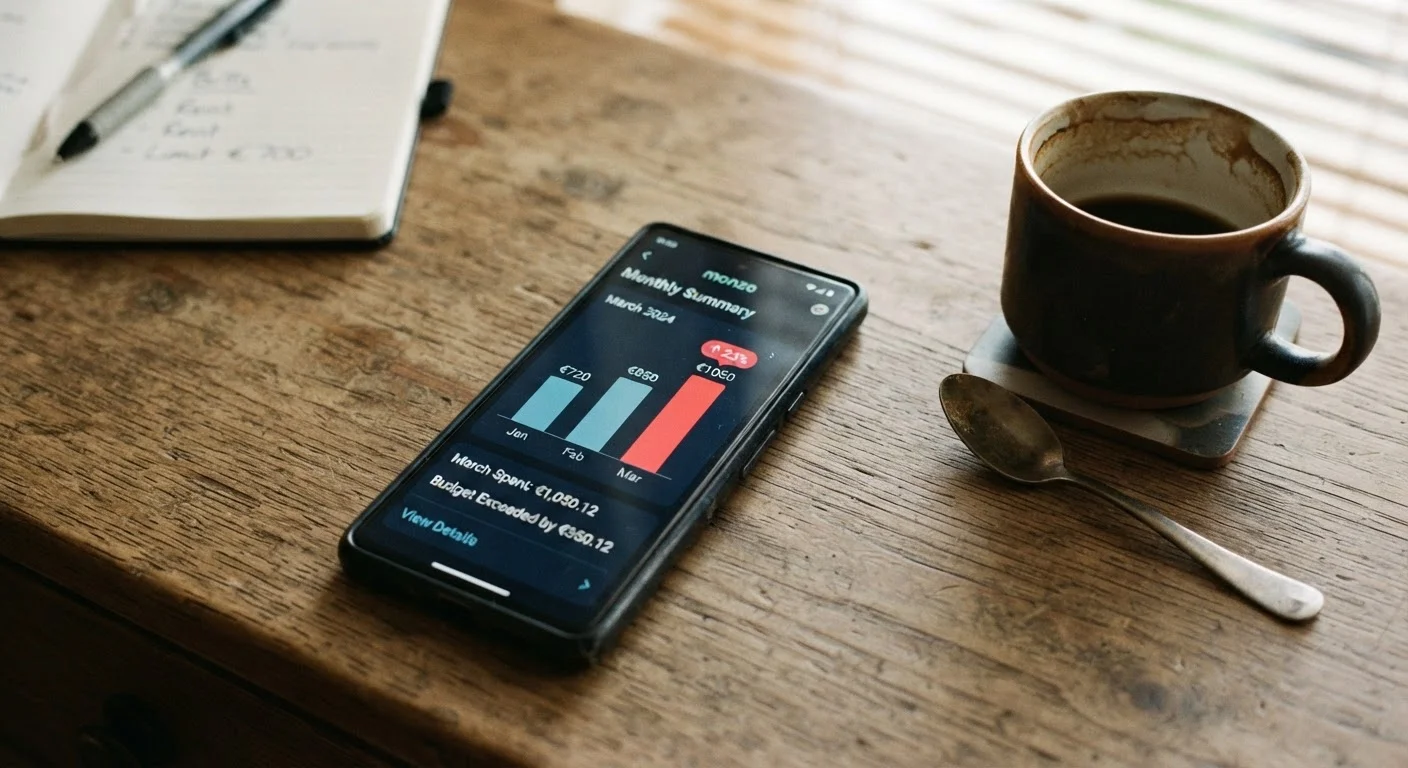
A wireless bill rarely stays exactly the same from month to month, and the gap between what you expected to pay and what you actually owe can grow surprisingly fast. The causes aren't random - they follow recognizable patterns that, once understood, are largely preventable.
The core issue is information asymmetry. Carriers design billing structures that favor incremental additions over transparent totals. That doesn't make any individual charge illegitimate, but it does mean the burden of tracking costs falls almost entirely on the customer. Understanding where creep originates is the first step toward stopping it.
Mid-Contract Rate Increases Are Legal
Most major U.S. carriers reserve the right to adjust monthly service rates with advance notice, even within what customers perceive as a fixed-term agreement. This is typically disclosed in the terms of service, not the advertised plan price. If your bill rises and you didn't add anything, check for a carrier notice that may have arrived by email or appeared on your online account.
Common Mistakes That Drive Bills Higher
Most bill increases trace back to a handful of avoidable errors - not carrier malfeasance, but gaps in attention at key moments. Reviewing the patterns below can help you spot charges before they settle into your baseline.
Ignoring auto-enrolled add-ons after a plan upgrade or phone purchase.
Why it happens: Carriers often bundle services like device insurance, cloud storage, or premium streaming tiers into upgrade flows as pre-selected options. Many customers confirm purchases quickly without deselecting extras.
Assuming the advertised plan price is the total monthly amount you'll pay.
Why it happens: Carrier ads typically show the base plan rate before taxes, regulatory fees, and surcharges - which can add $10-$30 or more per line depending on your state and city.
Not noticing when a promotional discount expires and standard pricing kicks in.
Why it happens: Promotional rates are prominently featured at signup but the expiration terms are buried in fine print. Customers often don't register the end date, and billing changes happen quietly.
Conflating device installment payments with the plan cost.
Why it happens: Many carriers present a combined "monthly total" that blends the service plan with a 24- or 36-month device payment. When the device is paid off, the charge should drop - but only if the customer notices and, in some cases, actively requests a plan adjustment.
Staying on an outdated plan rather than reviewing options as needs change.
Why it happens: Once a plan is set, most people don't revisit it. Over time, usage habits shift - data needs grow or shrink - but the plan stays static, often at a price point that no longer fits.
Paying for plan features that add cost but deliver little practical value.
Why it happens: Higher-tier plans are marketed with perks - hotspot data, international coverage, streaming subscriptions - that sound appealing. Customers upgrade expecting to use them, then rarely do.
It's worth noting that bill creep shares structural similarities with other financial slow-burns. Just as debt can grow quietly despite regular payments, wireless costs can drift upward through inaction rather than any single dramatic event.
Promotional Pricing Has an Expiration Date
Introductory rates - sometimes offered for 12 to 24 months - revert to standard pricing automatically. Carriers are not always required to send a prominent reminder before this happens. Mark the end date of any promotional period in your calendar at signup so the increase doesn't catch you off guard.
Building a Habit of Bill Awareness
The most effective defense against bill creep is a short, regular review - not a deep audit, just a line-by-line scan every billing cycle or two. Look for any charge that wasn't there last month, any add-on line you don't recognize, and any installment payment that should have ended.
If something looks unfamiliar, contact your carrier directly and ask for an explanation before the next billing cycle. Most unrecognized charges can be removed or refunded when caught early. Carriers are also required by the FCC to provide clear bill summaries, so you're entitled to a plain-language explanation of every line item.
$144
Average monthly U.S. wireless spend per household
According to the U.S. Bureau of Labor Statistics Consumer Expenditure Survey, American households spend an estimated $144 per month on phone services on average.
1 in 3
Consumers unaware of active paid add-ons
Industry surveys have consistently found that a significant portion of mobile subscribers are enrolled in at least one recurring paid add-on they did not deliberately choose.
The goal isn't to fight your carrier - it's to make sure every dollar on your bill reflects a service you deliberately chose and actually use. A little attention at signup and a periodic review afterward is usually all it takes.
The content on this site is provided for informational purposes only and should not be considered a substitute for professional advice. While we strive to provide accurate and up-to-date information, we make no guarantees regarding its completeness or accuracy. Always consult a qualified professional for advice specific to your circumstances before making any decisions.