

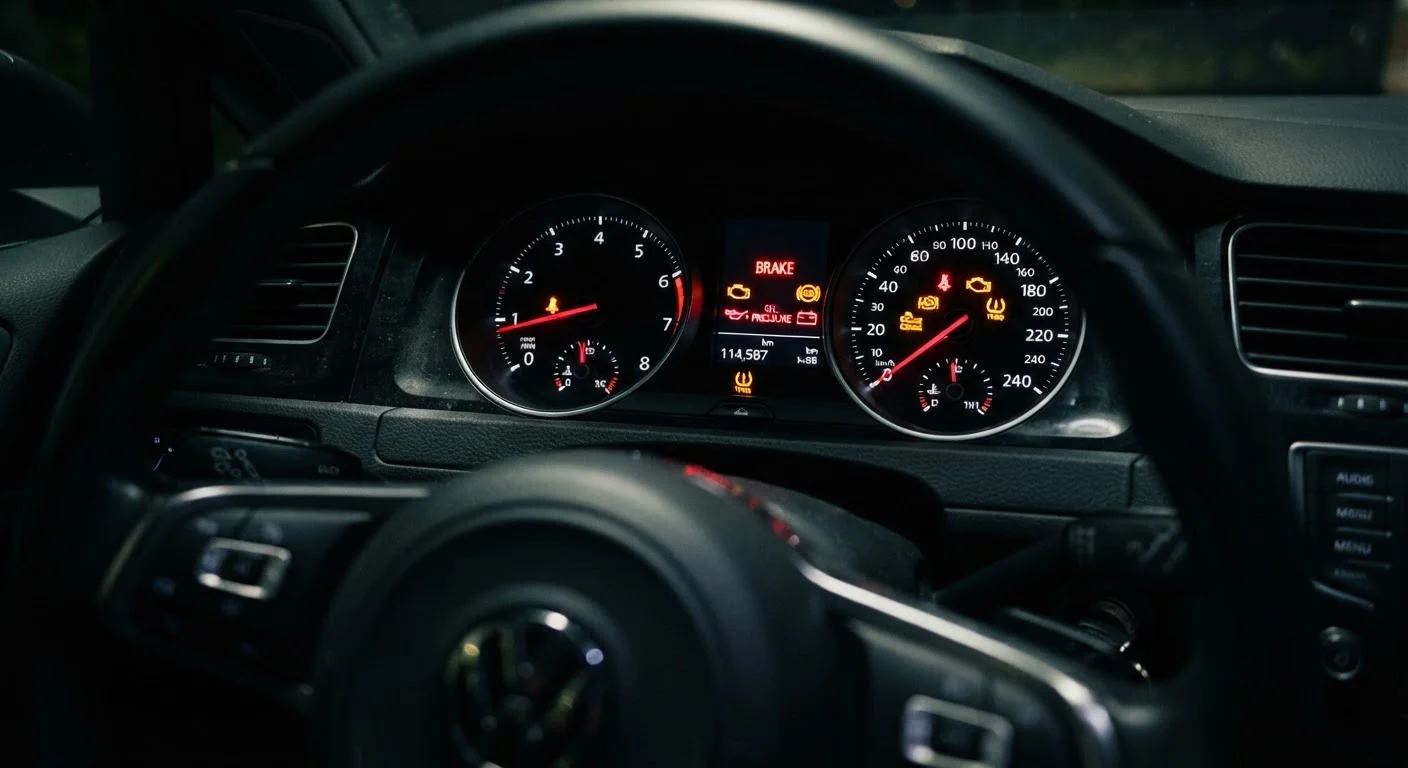
Your Dashboard Is Talking - Here's How to Listen
Modern vehicles are equipped with onboard diagnostic systems that constantly monitor dozens of components - from engine sensors to tire pressure. When something falls outside normal parameters, the car flags it with an illuminated symbol on your dashboard. The problem is that most drivers either panic at any light or ignore all of them. Neither response serves you well.
Understanding what these symbols actually mean helps you make smarter, safer decisions on the road. Some lights demand you pull over immediately; others are routine reminders that can wait until your next scheduled stop. The color is often your first clue.
| Number of sensors monitored | Dozens per vehicle (Varies by make and model year) |
| OBD-II standardization year | 1996 (U.S. EPA mandate) |
| TPMS trigger threshold | 25% below recommended PSI (NHTSA TPMS Final Rule) |
| Red light urgency | Stop driving immediately |
| Amber light urgency | Service needed soon |
| Check engine: flashing vs. solid | Flashing = active misfire; solid = stored fault |
For broader safe driving context, see the Safe Driving hub for practical guidance on road habits and vehicle awareness.
Color Codes: The Universal Language of Warning Lights
Before diving into specific symbols, the color system tells you how urgently to act:
- Red: Stop driving as soon as it is safe to do so. A red light signals a serious, potentially vehicle-damaging or dangerous condition - low oil pressure, overheating engine, brake system failure.
- Amber/Yellow: Attention required, but not always immediately. These lights indicate a system needs service soon - emission issues, tire pressure variance, traction control activation.
- Green or Blue: Informational only. These confirm that a system is active, such as high beams or cruise control.
Think of red as a stop sign and amber as a yield - the urgency is built into the palette.
The Most Common Warning Lights Decoded
Onboard Diagnostics (OBD)
A standardized system built into most vehicles since 1996 that monitors engine and emissions performance. When a sensor reading falls outside normal range, it stores a fault code and triggers a warning light.
Catalytic Converter
An emissions control device in the exhaust system that converts harmful pollutants into less harmful gases. It can be damaged by engine misfires, which is why a flashing check engine light warrants prompt attention.
TPMS
Tire Pressure Monitoring System. A sensor-based system that alerts the driver when one or more tires fall significantly below the recommended inflation level, typically by 25% or more.
Alternator
A generator driven by the engine that recharges the battery and powers the vehicle's electrical systems while the car is running. A failing alternator can trigger the battery warning light.
Oil Pressure
The force at which engine oil circulates through the engine's passages. Insufficient oil pressure means moving metal parts aren't being lubricated properly, which can rapidly cause catastrophic engine damage.
Fault Code
A diagnostic trouble code (DTC) stored in a vehicle's onboard computer when a monitored system falls outside expected parameters. A mechanic uses a scan tool to read these codes and pinpoint the issue.
Here's what drivers encounter most often and what each symbol is communicating:
- Check Engine (amber engine outline): Triggered by the onboard diagnostic system when a sensor reading falls outside spec. It can indicate anything from a loose gas cap to a misfiring cylinder. A solid light usually means a non-emergency issue; a flashing check engine light signals an active misfire that can damage the catalytic converter - reduce speed and seek service promptly.
- Oil Pressure (red oil can): Pull over safely and shut the engine off. Running an engine without adequate oil pressure can cause irreversible damage within minutes. Check the oil level once the car is off; if the level is normal and the light remains, do not restart - call for assistance.
- Battery (red battery outline): The charging system isn't maintaining voltage. This could be a failing alternator, a bad battery, or a loose connection. Electrical systems can fail without warning; get to a shop before the car loses power entirely.
- Temperature (red thermometer in liquid): Engine is overheating. Turn off the A/C, pull over, and let the engine cool. Never open the radiator cap on a hot engine - coolant under pressure can cause serious burns.
- TPMS (amber tire cross-section with exclamation point): One or more tires are significantly under-inflated. Check pressures when tires are cold. Driving on underinflated tires affects handling and fuel economy and increases blowout risk.
- Brake Warning (red circle with exclamation): Could indicate the parking brake is engaged, low brake fluid, or a brake system fault. If the parking brake is off and the light stays on, have the brake system inspected before driving further.
Being able to read these symbols is one part of safe vehicle operation - defensive driving principles cover the broader skills that help you anticipate problems before they become emergencies.
When to Drive On vs. When to Stop Immediately
Not every lit symbol is a crisis. Here's a practical framework:
| Light | Drive On? | Action |
|---|---|---|
| TPMS (amber) | Short distance only | Check and inflate tires at next stop |
| Check Engine (solid, amber) | Yes, with caution | Schedule a diagnostic scan within a few days |
| Check Engine (flashing) | Reduce speed | Seek service same day |
| Oil Pressure (red) | No | Pull over immediately, engine off |
| Temperature (red) | No | Pull over, let cool, call for help |
| Brake Warning (red) | No | Stop safely, inspect or call for assistance |
| Battery (amber/red) | Get to shop | Limit electrical use; drive directly to service |
Also worth noting: driver fatigue can affect your ability to notice and respond to warning lights - another reason to stay alert behind the wheel.
This article is for general informational purposes only. Warning light behavior varies by make, model, and year. Always consult your owner's manual and a qualified mechanic for diagnosis and repair decisions specific to your vehicle.
The content on this site is provided for informational purposes only and should not be considered a substitute for professional advice. While we strive to provide accurate and up-to-date information, we make no guarantees regarding its completeness or accuracy. Always consult a qualified professional for advice specific to your circumstances before making any decisions.