

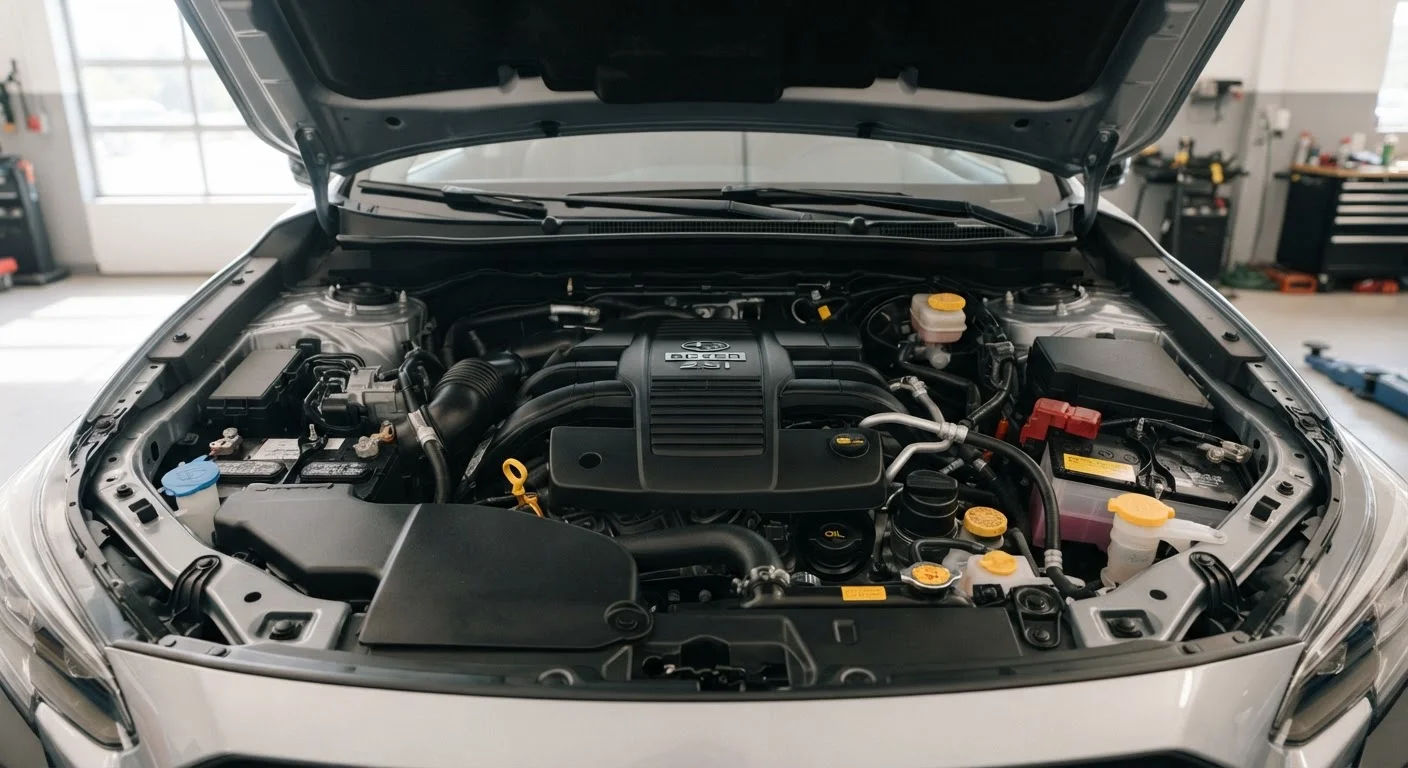
Why Fluids Are the Lifeblood of Your Vehicle
Modern vehicles depend on a carefully balanced system of fluids to keep mechanical parts cool, lubricated, pressurized, and clean. Neglecting them is one of the most common - and preventable - causes of expensive repairs. The good news: checking most fluids takes under five minutes and requires no special tools.
This guide covers each major fluid, its purpose, where to find it, and the warning signs that something is off. For a broader introduction to vehicle upkeep, see our practical primer for new car owners.
| Number of key fluids to monitor | 6 (oil, coolant, brake, transmission, power steering, washer fluid) |
| Engine oil check frequency | Monthly, or before long trips (General industry guidance; confirm with your owner's manual) |
| Brake fluid service interval | Approximately every 2 years (Many manufacturer recommendations; varies by vehicle) |
| Coolant check safety rule | Always check when engine is cold - never open a hot radiator cap |
| Transmission fluid types | Automatic and manual transmissions require different fluid - check your manual |
The Six Fluids Every Driver Should Know
Engine Oil
Engine oil lubricates the hundreds of moving metal parts inside your engine, reducing friction and carrying away heat and contaminants. Without it, internal components would grind against each other and fail within minutes. Check the level monthly using the dipstick - with the engine off and the car on level ground. Oil that looks jet black and gritty is overdue for a change. Consult your owner's manual for the correct change interval, which varies widely by vehicle and oil type. Common oil-change myths can lead drivers to change it too early - or dangerously late.
Coolant (Antifreeze)
Coolant circulates through the engine and radiator to regulate operating temperature, preventing both overheating in summer and freezing in winter. Check the coolant reservoir level when the engine is cold - never open the radiator cap on a hot engine, as pressurized coolant can cause serious burns. Low coolant or a milky, contaminated appearance warrants prompt professional attention.
Brake Fluid
Brake fluid transmits the force from your foot on the pedal through the hydraulic system to the brake calipers. It absorbs moisture over time, which lowers its boiling point and can compromise braking performance. Most manufacturers recommend inspection every two years. If the fluid appears dark brown or the level has dropped noticeably without explanation, have a qualified mechanic inspect the system. Brake system service is not a DIY task for most drivers - see our balanced look at what's worth attempting yourself.
Power Steering Fluid
This fluid keeps your steering smooth and responsive by maintaining hydraulic pressure in the steering system. Many newer vehicles use electric power steering and have no fluid reservoir. If yours does, check it monthly. Low levels or a whining noise when turning can indicate a leak.
Transmission Fluid
Transmission fluid lubricates gears and keeps the transmission cool and operating smoothly. Automatic and manual transmissions use different fluid types - always verify which your vehicle requires. Dark, burnt-smelling fluid or rough gear shifts are signs the fluid needs attention. Many manufacturers specify long service intervals, but high-mileage vehicles often benefit from more frequent checks. For more on maintaining older vehicles, see our high-mileage vehicle guide.
Windshield Washer Fluid
While not mechanical, washer fluid affects visibility and therefore safety. Use a formulation rated for your climate - plain water can freeze in cold weather and won't cut through road grime as effectively. Top it off whenever it runs low.
Hydraulic system
A system that uses pressurized fluid to transmit force between components. In vehicles, brake and power steering systems rely on hydraulics to multiply the force a driver applies.
Viscosity
A measure of a fluid's resistance to flow. Engine oil viscosity ratings (such as 5W-30) indicate how the oil performs at different temperatures.
Dipstick
A long, slender metal rod inserted into the engine oil reservoir. Pulling it out and reading the oil level against marked indicators tells you whether the oil is at the correct level.
Coolant reservoir
A translucent plastic tank connected to the radiator that holds extra coolant. It allows you to check and add coolant safely without touching the pressurized radiator cap.
Boiling point (brake fluid)
The temperature at which brake fluid vaporizes. Moisture absorption lowers this threshold over time, potentially causing brake fade or failure under heavy braking.
Spotting Problems Early
Fluid leaks often leave telltale puddles or stains under your vehicle. A quick look at the color can help narrow down the source: bright green or orange typically indicates coolant, amber to dark brown suggests oil, and clear to light yellow often points to brake or power steering fluid. Any active drip warrants a mechanic's evaluation - don't wait for a warning light.
Speaking of warning lights, a dashboard alert for oil pressure or temperature is a signal to stop driving as soon as it's safe and seek help. Learn what each warning light actually means so you can respond with confidence rather than guesswork.
This article is intended for general informational purposes. Always consult your vehicle's owner's manual and a qualified mechanic for maintenance decisions specific to your car.
The content on this site is provided for informational purposes only and should not be considered a substitute for professional advice. While we strive to provide accurate and up-to-date information, we make no guarantees regarding its completeness or accuracy. Always consult a qualified professional for advice specific to your circumstances before making any decisions.