

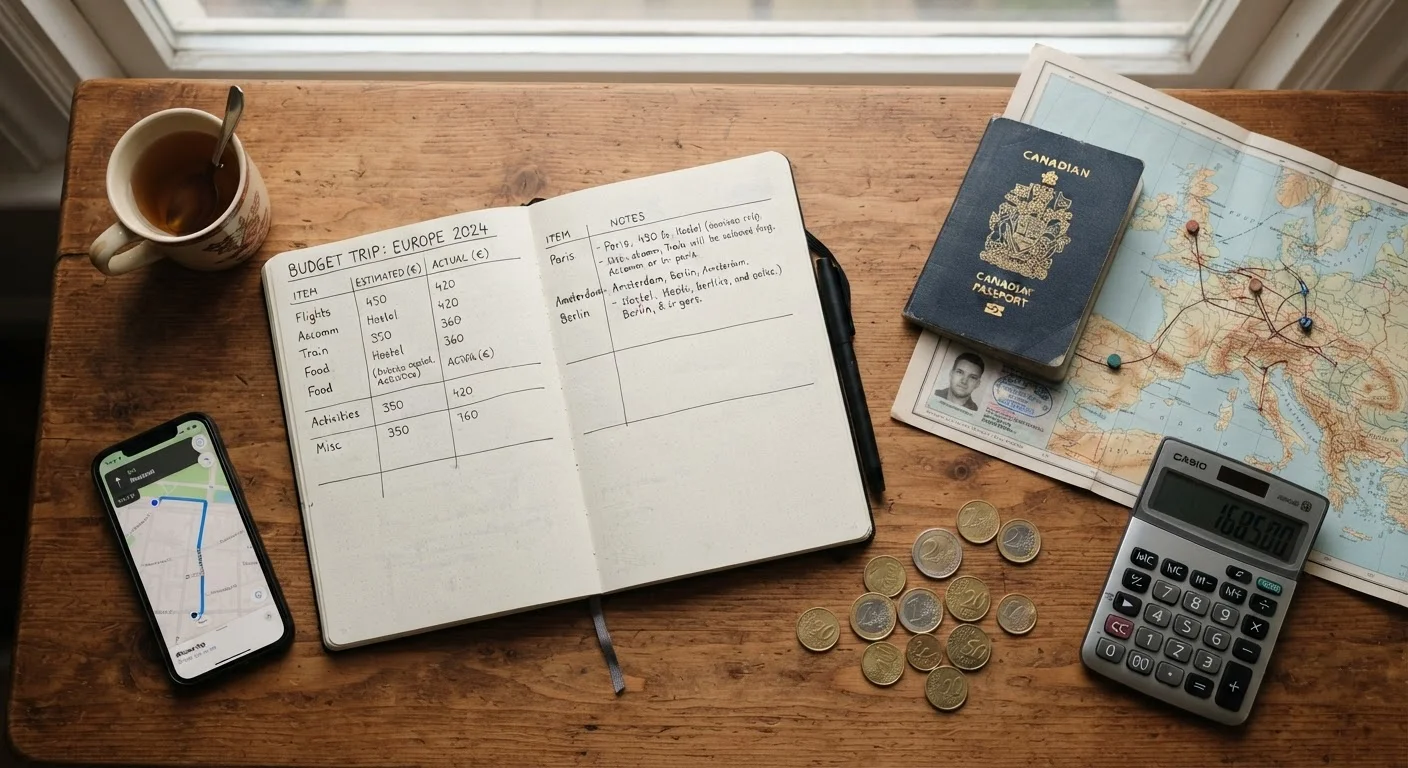
Why Budget-First Planning Changes Everything
Most trip planning goes sideways the same way: someone falls in love with a destination, starts booking, and figures out the budget later. By then, anchoring bias has set in - the dream is real, and trimming it feels like loss. Starting with your budget instead flips the dynamic entirely. You make clear-eyed decisions about what's genuinely achievable rather than retrofitting a budget to a plan you've already emotionally committed to.
This approach also gives you meaningful flexibility. When you know your ceiling upfront, you can make smart trade-offs - a longer trip with simpler accommodation versus a shorter trip with more comfort - rather than guessing at what you can afford after the fact. If you're completely new to planning your own travel, Travel Planning from Scratch is a great place to orient yourself before diving into the numbers.
Domestic vs. International: Costs Differ Significantly
If you're weighing a domestic road trip against an international getaway, know that the cost structures are genuinely different - beyond just flights. Currency exchange, travel health requirements, visa fees, and communication costs all add up abroad. See our guide on domestic vs. international trip planning before you lock in a destination.
What You'll Need Before You Start
Getting your budget right doesn't require sophisticated tools, but having the right resources on hand keeps the process focused.
What you will need
Spreadsheet or budgeting app
Track spending categories, set limits, and monitor your running total throughout planning.
Airline and hotel search tools
Research realistic price ranges for flights and accommodation before committing to a budget figure.
Currency converter
Calculate approximate costs in US dollars when planning international travel.
Travel insurance comparison resources
Understand what coverage typically costs so you can include it as a line item, not an afterthought.
The Steps: Building Your Travel Budget
Follow these steps in order. Skipping ahead - especially to booking before you've completed the research phase - is where most budget plans fall apart.
Set your hard ceiling first
Before researching a single flight, decide on the maximum amount you can realistically spend without financial strain. This number anchors every decision that follows. Write it down and treat it as a firm boundary, not a starting negotiation. If you're unsure where to begin, our Budgeting Basics hub covers core strategies for understanding what you have available.
Break your budget into spending categories
Divide your ceiling across the major cost buckets: transportation (flights, trains, or fuel), accommodation, food, activities, and miscellaneous. A common starting split is roughly 40% for transportation, 25% for accommodation, 20% for food, and 15% for activities and everything else - but this varies significantly by destination and travel style. For a deeper look at how spending categories work, see understanding spending categories.
Research real costs, not wishful estimates
Spend time looking up actual prices - not rough guesses. Check current flight price ranges for your dates, browse accommodation options at different tiers, and look up typical meal costs at your destination. Prices for activities, transport passes, and entrance fees are often available directly from official venue or tourism websites. This research phase is where budget surprises get prevented rather than discovered mid-trip.
Account for hidden and easy-to-forget costs
Many travelers underestimate costs that don't feel obvious at the planning stage: checked baggage fees, airport transfers, resort or destination fees, tips and gratuities, travel insurance, visa fees (for international trips), and day-to-day incidentals like snacks, transit cards, and souvenirs. Go line by line and ask whether each category has a hidden sub-cost you haven't priced in yet.
Add a contingency buffer
Once your categories are filled in, add a buffer of at least 10-15% on top of your estimated total. Unexpected costs - a weather delay, a medical need, a missed connection - happen on real trips. A buffer isn't pessimism; it's the difference between a manageable surprise and a genuine financial problem. For more on absorbing the unexpected, see handling unexpected expenses.
Sanity-check your plan before booking
Before confirming any reservations, run through your full budget one more time with fresh eyes. Does your accommodation allowance actually match the prices you found? Is your daily food budget realistic for where you're going? Cross-reference with our pre-trip planning checklist to catch anything you may have missed before money changes hands.
Don't Confuse a Low Fare With a Low Cost
A headline flight price rarely reflects what you'll actually pay. Seat selection, checked bags, change fees, and airport-to-city transportation can easily add hundreds of dollars to a seemingly cheap ticket. Always calculate the full door-to-door transportation cost, not just the base fare, before concluding a trip is affordable.
Common Budget Mistakes and How to Avoid Them
Even methodical planners run into a few predictable traps. Here's what to watch for:
- Per-person vs. total costs: Always confirm whether a quoted price is per person or for a group. This mix-up can double your accommodation or tour cost overnight.
- Forgetting travel days: Travel days often cost more than regular trip days - airport meals, transit fees, and lost productivity. Budget them separately.
- Assuming you'll spend less than you plan: Most travelers spend at or above their estimates, not below. Be honest about your real habits.
- Neglecting travel insurance: It feels optional until it isn't. Factor it in as a line item from the start.
Your Budget Is a Living Document
A travel budget isn't something you set once and forget. Revisit it as you research and as costs shift. If flights jump in price or accommodation availability narrows, your category allocations may need to change. Treating the budget as fixed before you've finished researching is one of the most common reasons travelers end up overspending.
For a more detailed look at constructing a budget that holds up under real-world conditions, How to Build a Travel Budget That Holds Up in the Real World walks through the research and allocation process step by step. And once your budget is settled, building a well-structured itinerary is your logical next move.
The content on this site is provided for informational purposes only and should not be considered a substitute for professional advice. While we strive to provide accurate and up-to-date information, we make no guarantees regarding its completeness or accuracy. Always consult a qualified professional for advice specific to your circumstances before making any decisions.