

Why Timing Matters More in Japan Than Most Destinations
Japan's geography runs from subtropical Okinawa in the south to subarctic Hokkaido in the north - a span of roughly 1,800 miles. That means seasonal conditions, crowd patterns, and local events vary dramatically depending on which region you visit and when. Timing your trip well isn't about chasing perfection; it's about understanding trade-offs.
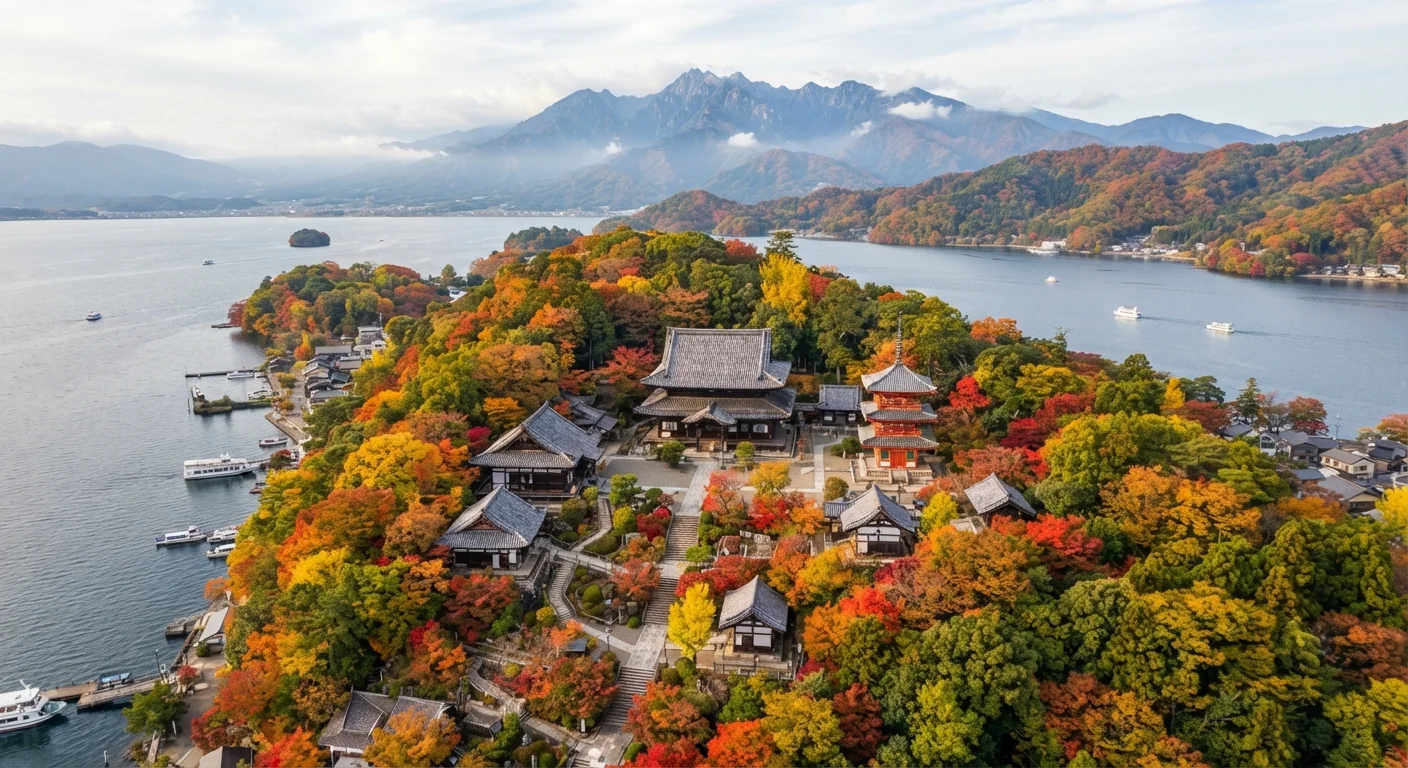
Cherry blossom season (sakura) typically sweeps from south to north between late March and early May. Autumn foliage (koyo) runs the reverse, moving from north to south between mid-October and late November. Both windows draw enormous crowds and push accommodation prices significantly higher. If your goal is cultural immersion without the crush, shoulder periods on either side of these peaks often offer genuine rewards.
For a broader look at how international trip logistics differ from domestic planning, see our international trip planning guide - Japan's visa requirements, entry rules, and currency considerations are worth reviewing well in advance.
| Country extent (north-south) | Approx. 1,800 miles (Hokkaido to Okinawa) |
| Sakura peak (Tokyo) | Typically late March to early April (Japan Meteorological Corporation historical data) |
| Koyo peak (Kyoto) | Typically mid-November to early December |
| Typhoon season | July-October (peak: September) (Japan Meteorological Agency) |
| Golden Week | Late April through early May |
| Hokkaido ski season | December through March |
Region-by-Region Seasonal Snapshot
Understanding Japan's major regions helps you match your travel style to the right window.
Hokkaido
Best window: June-August for hiking and lavender fields (Furano); January-March for powder skiing (Niseko, Rusutsu) and the Sapporo Snow Festival (typically held in February). Spring arrives late - Hokkaido's cherry blossoms usually peak in late April to early May. Avoid late November through December if you dislike cold, gray transition weather.
Tokyo and the Kanto Region
Best window: Late March-early April (sakura) and October-November (mild weather, koyo in Nikko). Summer brings intense heat and humidity, plus the rainy season (tsuyu) typically settling in mid-June. The Golden Week holiday (late April through early May) spikes domestic travel - transportation and hotels book up fast.
Kyoto, Osaka, and the Kansai Region
Best window: Mid-March through early April and mid-November through early December. These are Japan's most visited months nationally - expect long queues at top temples. Late May and September offer quieter visits with manageable weather. Kyoto in August is authentically festive (Gion Matsuri runs through July, with peak events July 17 and 24), but very hot and crowded.
Hiroshima and Western Honshu (Chugoku)
Best window: Spring and autumn, consistent with the broader Honshu pattern. The region sees fewer international visitors than Kyoto, making it a strong choice for travelers prioritizing space over spectacle.
Okinawa
Best window: March-May before the regional rainy season (which hits earlier here, typically May-June). Typhoon season runs roughly July-October, with September being the most active month statistically. Beach conditions are best May through early July and again in October for those willing to be flexible.
Sakura
The Japanese word for cherry blossoms. The annual sakura bloom is a major cultural event, with peak timing varying by latitude and altitude - generally late March through early May across Japan.
Koyo
Autumn foliage in Japan. Koyo season typically begins in Hokkaido in early October and gradually moves southward, reaching Kyoto and Tokyo in November.
Tsuyu
Japan's rainy season, typically occurring in June and early July across most of Honshu. Characterized by persistent drizzle and high humidity - not a full travel dealbreaker, but worth planning around.
Golden Week
A cluster of national holidays spanning late April through early May. One of Japan's busiest domestic travel periods, with elevated train, hotel, and attraction crowding throughout the country.
Gion Matsuri
One of Japan's most famous festivals, held throughout July in Kyoto. The most celebrated processions (Yamaboko Junko) take place on July 17 and 24.
Crowds, Costs, and Honest Caveats
Japan's tourism infrastructure is excellent, but popularity at peak times creates genuine friction. Cherry blossom and autumn leaf windows are not a secret - global tourism has intensified competition for accommodation in Kyoto and Tokyo. Booking three to six months ahead for peak season is a widely shared recommendation among frequent Japan travelers, though conditions change and no outcome can be guaranteed.
The Japanese yen's exchange rate relative to the US dollar has fluctuated considerably. General travel costs - accommodation, transport passes, dining - should be researched close to your travel date using current exchange data rather than assuming figures from any article or guide.
Weather-related disruptions are real. Typhoons can cancel flights and close attractions with little notice. The Japan Meteorological Agency publishes public forecasts and warnings you can monitor in the lead-up to travel. Always verify current travel advisories and entry requirements through official US government and Japanese government sources before finalizing plans - these details change and no reference article can substitute for official, up-to-date guidance.
Finally, if you're renting a vehicle to explore rural regions like Hokkaido or the Japan Alps, road conditions shift dramatically by season. Reviewing a seasonal vehicle readiness checklist before any winter driving plan is a sensible precaution.
The content on this site is provided for informational purposes only and should not be considered a substitute for professional advice. While we strive to provide accurate and up-to-date information, we make no guarantees regarding its completeness or accuracy. Always consult a qualified professional for advice specific to your circumstances before making any decisions.