

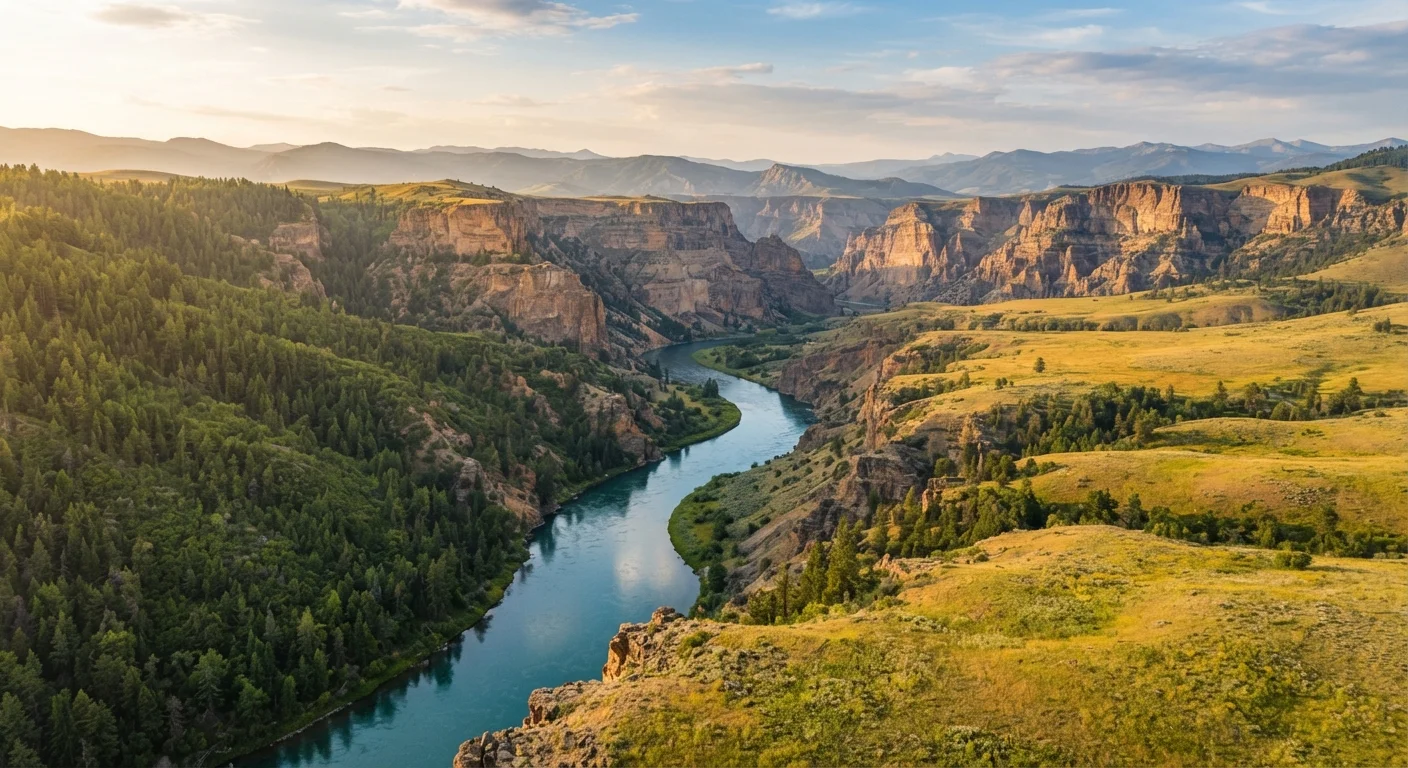
Option A
National Parks
The federally managed crown jewels of American wilderness.
Best for: Travelers seeking iconic landscapes, extensive backcountry, and multi-day immersive adventures.
Option B
State Parks
The locally governed, accessible outdoor spaces closer to home.
Best for: Day-trippers, families, and budget-conscious visitors who want nature without a long drive.
Who's in Charge - and Why It Matters
The most fundamental difference between national and state parks is who manages them. National parks fall under the U.S. National Park Service (NPS), a federal agency within the Department of the Interior. State parks, meanwhile, are each governed by their own state's department of natural resources, parks, or equivalent agency - and no two states do it exactly the same way.
This distinction isn't just administrative. It shapes everything from entry fees and permit systems to what activities are allowed and how wilderness is defined. Federal oversight means national parks must adhere to unified national standards, while state parks reflect the priorities and budgets of their individual states. A state park in Florida looks and operates very differently from one in Montana - even if they share the same label.
For travelers, this means you'll want to research your specific destination rather than assuming all parks follow the same rules. Fees, operating hours, reservation systems, and even fire and drone policies vary considerably.
| Criterion | National Parks | State Parks |
|---|---|---|
| Governing body | U.S. National Park Service (federal) | State agency (varies by state) |
| Typical size | Often hundreds of thousands of acres | Ranges from hundreds to millions of acres |
| Entry fees | Up to ~$35 per vehicle | Generally lower; varies by state |
| Annual pass | America the Beautiful Pass (federal) | State-specific passes (not interchangeable) |
| Reservation difficulty | Often competitive; books months ahead | Varies; generally more flexible |
| Wilderness character | Often remote, primitive backcountry | Often developed with amenities |
| Proximity to cities | Frequently rural or remote | Often closer to populated areas |
| Regulation uniformity | Consistent national standards | Rules differ state to state |
Size, Scope, and What You'll Find Inside
National parks are, on average, significantly larger. The largest - Wrangell-St. Elias in Alaska - spans more than 13 million acres. Even mid-sized national parks often cover hundreds of thousands of acres of protected backcountry. This scale creates habitat for large wildlife corridors, complex ecosystems, and multi-day hiking routes that simply aren't possible in smaller protected areas.
State parks cover a wide spectrum. Some, like Adirondack Park in New York, are enormous and rival national parks in scope. Others are compact nature preserves of a few hundred acres near suburban communities. What most state parks share is a focus on accessible recreation - developed campgrounds, maintained trails, swim beaches, and picnic areas tend to be more common than at wilder federal sites.
National parks, particularly those in the American West, often contain more primitive and less developed terrain. Backcountry camping, remote river crossings, and limited cell service are common. This appeals to experienced outdoors travelers but can be a barrier for first-timers or families with young children.
63
Designated national parks in the U.S.
The National Park Service manages 63 national parks across the country, in addition to hundreds of monuments, recreation areas, and historic sites.
6,600+
State parks across the U.S.
According to the National Association of State Park Directors, there are more than 6,600 state park units across all 50 states, covering a wide range of environments.
330M+
Annual visits to national park units
The National Park Service records over 300 million recreation visits annually across all NPS-managed sites, with national parks drawing the largest share.
Fees, Passes, and Getting In
Entry costs are a real planning factor. National park entrance fees typically range from no charge at many smaller sites to around $35 per vehicle at high-traffic parks like Glacier or Zion. The America the Beautiful Annual Pass - sometimes called the Interagency Pass - covers entrance fees at all NPS sites and other federal lands for a set annual fee, making it worthwhile for frequent visitors. It does not cover state parks.
State park fees are generally lower, though they vary by state and park. Some states offer their own annual pass programs. A handful of states include certain parks as free entry. When comparing overall trip costs, state parks often come out ahead for budget-minded travelers, particularly for day trips or short stays close to home. For more on how trip budgeting decisions stack up depending on scale and destination type, see our domestic vs. international trip planning guide.
Reservations, Crowds, and the Camping Question
If you've tried to book a campsite at a popular national park recently, you already know the frustration. Sites at parks like Yosemite and Rocky Mountain can book out months in advance through Recreation.gov, the federal reservation platform. Timed-entry permits have become increasingly common at heavily visited national parks to manage overcrowding.
State park campground availability varies widely. Some popular state parks also require advance reservations, especially on summer weekends. Others operate on a first-come, first-served basis year-round. In general, state parks offer more flexibility and a lower barrier to spontaneous trips - particularly outside peak summer months.
Whether you're heading to a national or state park solo or with a group will also shape how you plan. Group travel versus solo travel involves different logistics when navigating permit lotteries, shared campsite capacities, and vehicle entry fees - both systems have rules that reward advance coordination.
National Monuments and Recreation Areas Aren't National Parks
The 'national park' label is specific and protected - not every federal land uses it. National monuments, national recreation areas, national forests, and Bureau of Land Management (BLM) lands are all federally managed but operate under different agencies and rules. The America the Beautiful Pass covers most federal lands, but activities permitted and regulations in place can differ significantly from a designated national park. Always check the managing agency before your visit.
The content on this site is provided for informational purposes only and should not be considered a substitute for professional advice. While we strive to provide accurate and up-to-date information, we make no guarantees regarding its completeness or accuracy. Always consult a qualified professional for advice specific to your circumstances before making any decisions.