

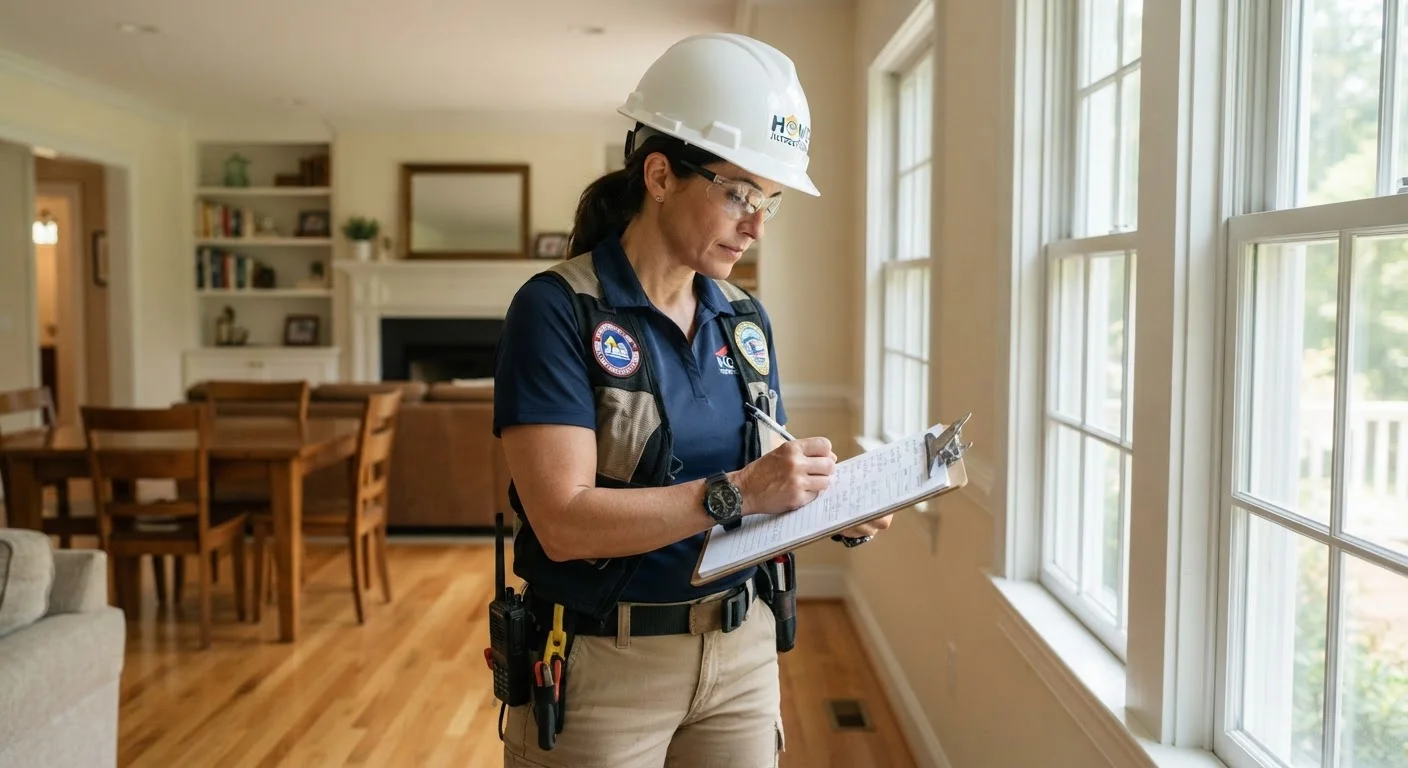
What a Standard Inspection Actually Examines
A licensed home inspector conducts a visual, non-invasive examination of the home's major systems and structural components. "Visual and non-invasive" is the operative phrase: inspectors look at what they can see and access without moving furniture, cutting into walls, or operating systems in abnormal ways.
Standard inspection scope typically includes:
- Roof: Condition of shingles, flashing, gutters, and visible decking
- Exterior: Siding, grading, walkways, driveways, and visible foundation elements
- Structural components: Foundation walls, floor structure, walls, ceiling, and roof structure where accessible
- Electrical system: Main panel, visible wiring, outlets, and fixtures - though not behind walls
- Plumbing: Visible supply and drain pipes, water heater, fixtures, and functional testing of faucets and toilets
- Heating and cooling (HVAC): Furnace, air conditioning units, and distribution systems, typically tested by normal operating controls
- Insulation and ventilation: Where accessible, such as in the attic
- Windows and doors: Operation, sealing, and visible damage
- Interior surfaces: Floors, walls, and ceilings for visible signs of water intrusion, damage, or deterioration
The inspector documents findings in a written report with descriptions and photographs. That report becomes a critical tool in negotiations - helping buyers ask for repairs or credits, or confirming the home is in solid shape. Before touring homes, it helps to know what you're looking for; see our guide on what to assess during home tours.
Attend the Inspection in Person
Buyers who walk through the home with the inspector gain far more than those who simply read the final report. Seeing a concern firsthand - a soft spot on a roof deck, evidence of moisture in a crawl space - gives context that photographs alone often miss. Most inspectors welcome questions throughout the process.
What Falls Outside the Inspector's Scope
Understanding the inspection's limits is just as important as knowing what it covers. Buyers who assume an inspection is an all-clear can face expensive surprises after closing.
A standard inspection does not cover:
- Environmental hazards: Radon, asbestos, lead paint, mold, and underground oil tanks require specialized testing by certified professionals
- Sewer and drain lines: A camera inspection of the lateral sewer line is a separate service - and critical for older homes
- Pest or termite infestations: Wood-destroying organism reports are performed by licensed pest control companies, not general inspectors
- Chimneys and fireplaces (beyond basic visual): A chimney sweep or certified chimney inspector provides a more thorough evaluation
- Swimming pools and spas: Require dedicated pool inspectors
- Septic systems: Should be inspected and pumped by a licensed septic company
- Wells and water quality: Water testing for contaminants is a separate laboratory process
- Behind walls or under slabs: Inspectors cannot see hidden conditions - plumbing leaks or electrical issues inside walls may go undetected
Specialty Inspections Cost Extra - But Can Save More
Radon testing, sewer scoping, mold assessments, and pest inspections each carry separate fees, typically ranging from $75 to $300 per test depending on your market. While it can feel like the costs add up quickly, a single issue caught by a specialty inspection - such as a failing sewer lateral or elevated radon levels - often justifies the expense many times over.
Unpermitted work is another blind spot. An inspector may note work that appears unpermitted, but they are not code enforcement officers. Understanding what triggers permit requirements can protect buyers from costly compliance issues down the line - see what a building permit actually covers.
How to Use the Inspection Report Strategically
Not every item in an inspection report is equal. Inspectors often flag minor maintenance items alongside genuinely significant structural or safety concerns. Buyers who treat every notation as a dealbreaker risk over-negotiating; those who ignore major findings can face serious financial exposure after closing.
A practical approach is to sort findings into categories:
- Safety issues: Faulty wiring, missing GFCI outlets, carbon monoxide risks - address these first
- Major systems nearing end of life: A 20-year-old HVAC unit or an aging roof are negotiating points with real dollar values attached
- Deferred maintenance: Caulking, minor drainage grading, or cosmetic cracks are typically buyer-managed after closing
Buyers can request that sellers repair specific items, provide a credit at closing, or reduce the purchase price. Sellers are not legally required to fix everything - or anything - flagged in the report, though lenders sometimes require repairs for FHA or VA financing.
One common misconception is that a clean inspection equals a perfect home. As noted in our look at homebuying myths that trip up repeat buyers, inspections have inherent limits and should be understood as a snapshot of visible conditions on a single day.
~86%
Buyers who obtain a home inspection
According to the National Association of Realtors' Profile of Home Buyers and Sellers, the vast majority of buyers who finance a home purchase arrange a professional inspection.
$300-$500+
Typical home inspection cost
General inspection fees vary by region, home size, and inspector experience; larger or older homes typically fall at the higher end of the range.
2-4 hours
Average inspection duration
Most standard inspections of a single-family home take two to four hours, with complex or larger properties requiring more time.
Frequently Asked Questions
In most U.S. transactions, the buyer pays for the home inspection out of pocket. Fees typically range from roughly $300 to $500 or more depending on the home's size, age, and location. The cost is separate from closing costs and is due directly to the inspector.
A seller can decline to accept offers with inspection contingencies, but buyers are generally within their rights to request one. In competitive markets, some buyers waive inspection contingencies - a decision that carries real financial risk and should be weighed carefully.
A standard general inspection typically includes only a basic visual check of a pool or septic system, if that. Full pool and septic inspections are specialty services performed by certified professionals and should be scheduled separately when a property has these features.
No - new construction homes benefit from independent inspections just as resale homes do. Builder inspections and municipal code inspections serve different purposes than a buyer-hired inspector who is working solely in the buyer's interest. This is a common misconception covered in discussions of <a href="/real-estate/buying-a-home/homebuying-myths-that-trip-up-even-repeat-buyers">homebuying myths</a>.
Buyers review the report with their real estate agent and decide whether to request repairs, ask for a price reduction, accept the home as-is, or exit the contract if the findings are severe enough to trigger the contingency. The report itself does not obligate the seller to fix anything.
Most home inspections take two to four hours, depending on the size and condition of the property. Larger or older homes typically take longer. Buyers are encouraged to attend so they can ask questions and see issues firsthand.
The content on this site is provided for informational purposes only and should not be considered a substitute for professional advice. While we strive to provide accurate and up-to-date information, we make no guarantees regarding its completeness or accuracy. Always consult a qualified professional for advice specific to your circumstances before making any decisions.