

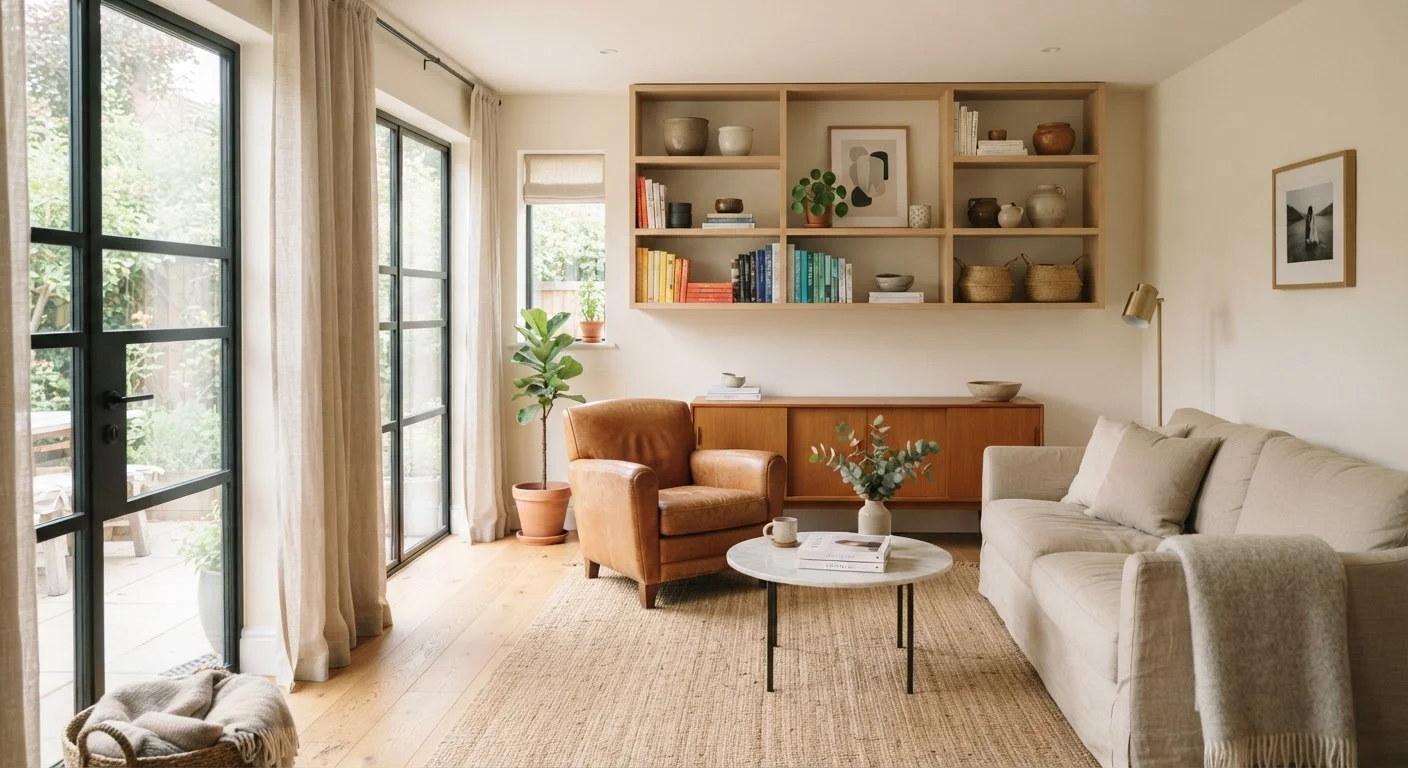
Why Clutter Keeps Coming Back
Most people have experienced the satisfaction of a fully decluttered room - and the frustration of watching it slowly fill back up within weeks. The problem isn't that you failed to declutter well enough. The problem is that decluttering without changing the habits that created the clutter is like bailing out a boat without fixing the leak.
Clutter accumulates through a handful of predictable patterns: items enter the home faster than they leave, things get set down without a designated spot, and small messes get tolerated until they become big ones. The good news is that each of these patterns can be interrupted with simple, repeatable habits - none of which require a complete lifestyle overhaul.
For households dealing with a specific ongoing challenge, managing paper clutter is often the best place to start, since mail and documents are among the fastest-accumulating categories in any home.
The Core Habits That Actually Stick
The practices below aren't complicated, but they work precisely because they're small enough to build into an existing routine. Consistency matters more than intensity here.
Apply the one-in-one-out rule every time you bring something new into your home.
Every item you own takes up physical space and mental bandwidth. Without a limit, belongings accumulate by default. This rule keeps the total volume of your possessions stable over time without requiring periodic purges.
Do a five-minute reset at the end of each day.
Small disorder compounds quickly. A few misplaced items become a cluttered room within days. A brief daily reset prevents the backlog from building and makes larger tidying sessions unnecessary.
Handle mail and incoming paper the day it arrives - never let it stack.
Paper is one of the most persistent clutter sources in American households. A single day's mail left unaddressed quickly becomes a pile, and piles become overwhelming. Immediate sorting prevents accumulation.
Do a 'clutter audit' of one small area each week.
Whole-home decluttering sessions are time-intensive and easy to postpone. Focusing on one drawer, shelf, or cabinet per week keeps the task manageable and ensures every part of the home gets regular attention over time.
Pause before purchases and ask whether the item has a home and a purpose.
Most clutter was once something that seemed like a good idea to buy. Introducing a brief decision pause - even just 24 hours - significantly reduces impulse acquisitions that become clutter.
Quick Wins You Can Put Into Practice Today
You don't need to wait for a free weekend to start. The following actions take less than 30 minutes and create immediate momentum toward a more organized home.
For a broader, structured approach to keeping things under control throughout the year, consider pairing these daily habits with a quarterly declutter plan that addresses rotating categories of items before they pile up.
Building a Home That Resists Clutter by Design
Habits are more effective when your physical environment supports them. A few structural changes make it significantly easier to stay organized without relying on willpower alone.
Give everything a designated home. When an item doesn't have a specific place, it ends up wherever is most convenient - which is usually a countertop, a chair, or a junk drawer. Walk through your most-cluttered spaces and ask: does every item here have one clearly defined spot it belongs?
Keep frequently used items accessible. If something is difficult to put away, it won't get put away. Storage solutions should make it easier to return items than to leave them out.
Create a donation station. Keep a small bin or bag in a closet or garage dedicated to items you've decided to pass on. When it fills, donate it. This turns decluttering from an event into an ongoing, low-effort process.
Every Household Is Different
What counts as 'organized enough' varies by the size of your home, your household composition, and your lifestyle. A household with young children will have different tolerances and systems than a single-person apartment. The goal is to find habits that lower your daily friction - not to achieve a magazine-ready standard. Start with one habit, get it consistent, then layer in the next.
The goal isn't a perfectly minimalist home - it's a home where the default state is orderly enough that you're not constantly fighting to find things or clear surfaces. Small, consistent habits get you there far more reliably than periodic deep cleans.
The content on this site is provided for informational purposes only and should not be considered a substitute for professional advice. While we strive to provide accurate and up-to-date information, we make no guarantees regarding its completeness or accuracy. Always consult a qualified professional for advice specific to your circumstances before making any decisions.