

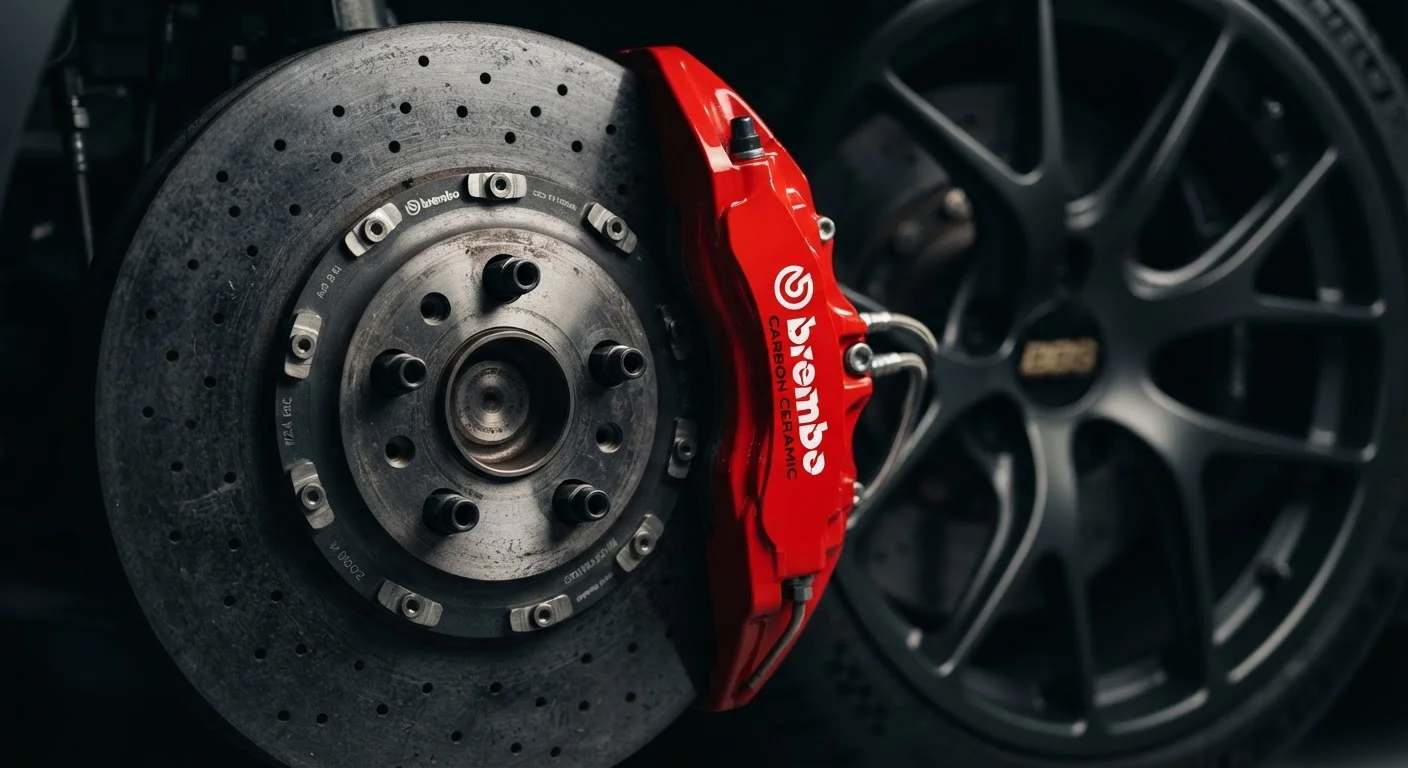
The Most Common Causes of Brake Squeal
Brake noise is one of the most frequent concerns drivers bring to mechanics - and one of the most misunderstood. The good news is that many squeals are entirely normal. Understanding the source helps you decide whether to keep driving or pull over immediately.
The most common non-urgent causes include:
- Surface rust from overnight sitting: Rotors are bare metal and oxidize quickly in humid air. The first few stops clear the rust layer with a brief squeal or scrape.
- Dust and debris: Fine particles between the pad and rotor can temporarily cause noise until they're expelled.
- Cold temperatures: Brake compounds behave differently in cold weather, sometimes producing noise until they warm up.
- Brake pad composition: Semi-metallic pads - which contain metal fibers for durability - are naturally noisier than ceramic alternatives.
None of these situations indicate a brake system problem. They're predictable, physics-based behaviors that usually resolve on their own.
Not All Pads Sound the Same
Brake pad material significantly affects noise levels. Semi-metallic pads - valued for durability and high-heat performance - tend to be noisier, especially when cold. Ceramic pads generally run quieter and produce finer dust, but may not be the right choice for every vehicle or driving style. Your mechanic can advise on what compound suits your vehicle and how you drive.
When Squeal Means 'Pay Attention': Wear Indicators
Modern brake pads include a small metal tab called a wear indicator. When the friction material wears down to a safe-minimum threshold - typically around 2-3mm - the tab contacts the rotor and produces a deliberate, consistent squeal. This is an engineered warning system, not a malfunction.
If you hear squealing every time you brake - not just on cold mornings - and it doesn't fade after a few stops, the wear indicator is likely the source. At this stage, the brakes still function, but you're operating on borrowed time. Most mechanics recommend replacement within a few hundred miles once the indicator activates.
Act on Wear Indicator Noise Promptly
Once you hear a consistent squeal on every stop, aim to have brakes inspected within a week or two rather than months. Pad wear accelerates as material thins, and the window between 'needs service' and 'now also needs rotors' can be surprisingly short under regular driving conditions.
Ignoring wear indicator noise long enough allows the pad to wear completely through, exposing the metal backing plate. What was a squeal becomes a grind - and a much more expensive repair.
Noises That Signal a Genuine Problem
Not all brake noise is benign. These sounds warrant prompt professional inspection:
- Grinding or growling
- Metal-on-metal contact between a worn-out pad backing and the rotor. Braking efficiency is already reduced. Rotors may need replacement in addition to pads.
- Pulsing or vibration through the pedal
- Often caused by rotor thickness variation - colloquially called 'warped rotors.' The uneven surface creates rhythmic feedback through the pedal. A qualified mechanic can measure runout and resurface or replace rotors as needed.
- Pulling to one side while braking
- Uneven brake application between left and right wheels. Possible causes include a stuck caliper, uneven pad wear, or a brake fluid issue.
- Soft or spongy pedal alongside noise
- Could indicate air in the brake lines or a hydraulic system issue - this is a safety emergency requiring immediate service.
~$300
Average cost of a basic brake pad replacement
Replacing pads before rotors are damaged typically costs significantly less than a full brake job including rotor replacement, which can exceed $500-$800 per axle depending on the vehicle.
2-3mm
Pad thickness that triggers wear indicator contact
Most passenger vehicle brake pads start at 10-12mm of friction material; wear indicators are calibrated to engage well before the pad is completely consumed.
~30%
Increase in stopping distance with severely worn pads
Automotive safety research consistently shows that brake performance degrades meaningfully as pads wear thin, with stopping distances increasing substantially compared to properly maintained brakes.
What to Do When You Hear Brake Noise
Your response should match the severity of the symptom. A morning squeal that clears after a block? Monitor it but don't panic. A grinding sound every time you brake? Schedule service as soon as possible - don't wait for the next oil change.
Here's a practical framework:
- Note when the noise occurs - only in the morning, only when cold, every single stop, or under heavy braking. Context helps a mechanic diagnose faster.
- Check the pattern - does the noise come from the front, rear, or a specific corner? Front brakes do most of the stopping work and wear faster.
- Don't ignore persistence - if the sound doesn't go away within a few days, book an inspection. Many shops offer brake checks at no charge during other service visits.
- Trust your instincts about stopping distance - if the car feels like it's taking longer to stop, treat it as urgent regardless of what the noise sounds like.
Brake maintenance is one area where acting early almost always costs less than waiting. Catching worn pads before they score the rotors can mean the difference between a pad replacement and a full brake job.
Frequently Asked Questions
A brief squeal after the car sits overnight or in wet weather is generally not dangerous. However, if the squeal is consistent every time you brake, it likely means your wear indicators are active and pads need replacement soon. Continuing to drive risks further rotor damage and reduced stopping power.
Overnight moisture causes a thin layer of surface rust to form on the rotors. The first few stops of the day scrub that rust off, producing a brief squeal or groan. This is normal and typically stops within a mile of driving.
Grinding almost always means the brake pads are worn down to bare metal, which is now contacting the rotor directly. This is a safety issue - braking performance is compromised and rotors can be deeply scored. Have the vehicle inspected by a qualified mechanic promptly.
Yes. New pads often squeal during a break-in period of several hundred miles as the pad surface seats against the rotor. Some semi-metallic pad compounds are also inherently noisier than ceramic alternatives. The noise usually fades as the pads bed in.
A pulsing or vibrating pedal is typically caused by rotor thickness variation - commonly called 'warped rotors.' Rotors can develop uneven spots from heat cycles, heavy braking, or being improperly torqued. A mechanic can measure rotor thickness variation and resurface or replace them as needed.
Most manufacturers and automotive organizations recommend a brake inspection at least once a year or every 12,000 miles - whichever comes first. Many tire shops and dealerships offer visual brake checks for free during tire rotations, making it easy to stay ahead of wear.
The content on this site is provided for informational purposes only and should not be considered a substitute for professional advice. While we strive to provide accurate and up-to-date information, we make no guarantees regarding its completeness or accuracy. Always consult a qualified professional for advice specific to your circumstances before making any decisions.